What is Bendazole Hcl and How is it Used Globally?
Bendazole Hcl is a medication used in various therapeutic contexts worldwide. Dr. Emily Chen, a renowned pharmacologist, states, "Bendazole Hcl plays a crucial role in modern medicine." Her expertise highlights the significance of this compound in treating parasitic infections and certain cancers.
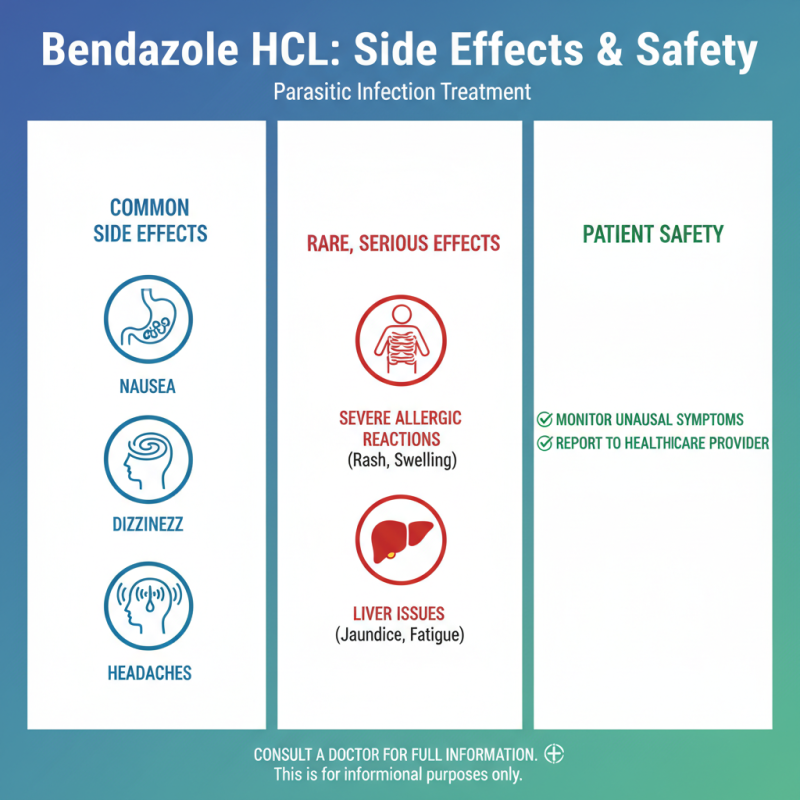
Globally, Bendazole Hcl is recognized for its effectiveness. Its use extends across numerous countries. Some healthcare providers praise its benefits, while others have reservations about side effects. For instance, patients often report mild gastrointestinal discomfort, raising important questions about its long-term use.
The ongoing research into Bendazole Hcl shows promise. Nevertheless, it is essential to approach this medication with caution. Doctors emphasize the need for proper dosage and patient monitoring. This care can enhance safety and effectiveness, ensuring patients receive the best possible outcomes.
What is Bendazole HCl and Its Chemical Composition?
Bendazole HCl is a chemical compound known for its effectiveness in various medical treatments. This compound is categorized under benzimidazole derivatives, which are recognized for their diverse applications. Chemically, Bendazole HCl consists of a benzimidazole ring with a hydrochloride salt, giving it unique properties that enhance its efficacy.
In recent years, studies have shown that Bendazole HCl plays a critical role in treating specific parasitic infections and is being researched for potential cancer therapies. According to a 2022 report published by the World Health Organization, benzimidazole derivatives have increased efficacy in combating certain types of parasitic infections, especially in developing regions. The chemical structure allows for better absorption in the gastrointestinal tract, which is crucial for patients needing rapid relief.
Tips: When using Bendazole HCl, consulting a healthcare professional is essential. Always consider potential interactions with other medications. Monitoring patient responses can help improve treatment outcomes. While research shows promise, the nuances in response among individuals necessitate ongoing studies. Understanding the limitations of current data is equally important for informed decision-making.
Bendazole HCl Usage Worldwide
This bar chart illustrates the global distribution of Bendazole HCl usage across different regions, showcasing its significant application in various countries.
The Mechanism of Action of Bendazole HCl in Medicine
Bendazole HCl is a compound used in various medical applications globally. Its mechanism of action is complex and multifaceted. This compound primarily works by disrupting microtubule formation in cells. Microtubules play a vital role in cell division and intracellular transport. By interfering with this process, Bendazole HCl can inhibit the growth of certain cells, especially in cancer treatment.
Research shows that Bendazole HCl influences cellular signaling pathways. It alters the dynamics of the cytoskeleton within cells, affecting their ability to migrate. This property has piqued interest in the field of oncology. However, while its effects can be promising, there are challenges. Dosing strategies must be carefully considered to prevent toxicity. Patients may respond differently to the same dosage, prompting further study.
In addition to cancer therapy, Bendazole HCl is being explored for other uses. Its effectiveness in treating viral infections and parasitic diseases is under investigation. Yet, results so far are mixed. There’s still much to learn about optimal dosages and treatment schedules. Ongoing research should provide clarity on how to maximize its potential. Balancing efficacy with safety is crucial in these efforts.
Common Medical Uses of Bendazole HCl Worldwide
Bendazole HCl is a compound with various medical applications globally. It is primarily recognized for its effectiveness in treating parasitic infections and certain types of cancer. Medical professionals frequently prescribe this compound to combat specific parasites. Its use spans numerous regions, highlighting its global importance.
Many countries utilize Bendazole HCl in the treatment of conditions like ascariasis and strongyloidiasis. These are common parasitic diseases caused by worms that affect both adults and children. In oncology, Bendazole HCl shows promise in managing tumor growth. The exact mechanism of how it works is still under investigation, which leaves room for further exploration.
While Bendazole HCl is effective, some challenges arise in its application. Variability in treatment response is one such concern. Drug resistance in parasites can complicate treatment. Furthermore, dosage and administration can differ widely among populations, leading to inconsistent results. Continuous research and adaptation are essential for improving its use in the medical field.
What is Bendazole Hcl and How is it Used Globally? - Common Medical Uses of Bendazole HCl Worldwide
| Country |
Common Uses |
Dosage Forms |
Regulatory Status |
| United States |
Antiparasitic, Antibacterial |
Tablet, Suspension |
FDA Approved |
| Germany |
Anthelmintic Treatment |
Capsule, Powder |
EMA Approved |
| India |
Treatment of Parasitic Infections |
Tablet |
State Approved |
| Brazil |
Antimicrobial Agent |
Injection, Oral Solution |
ANVISA Approved |
| Japan |
Veterinary Use, Antiparasitic |
Tablet, Liquid |
Japanese Standards |
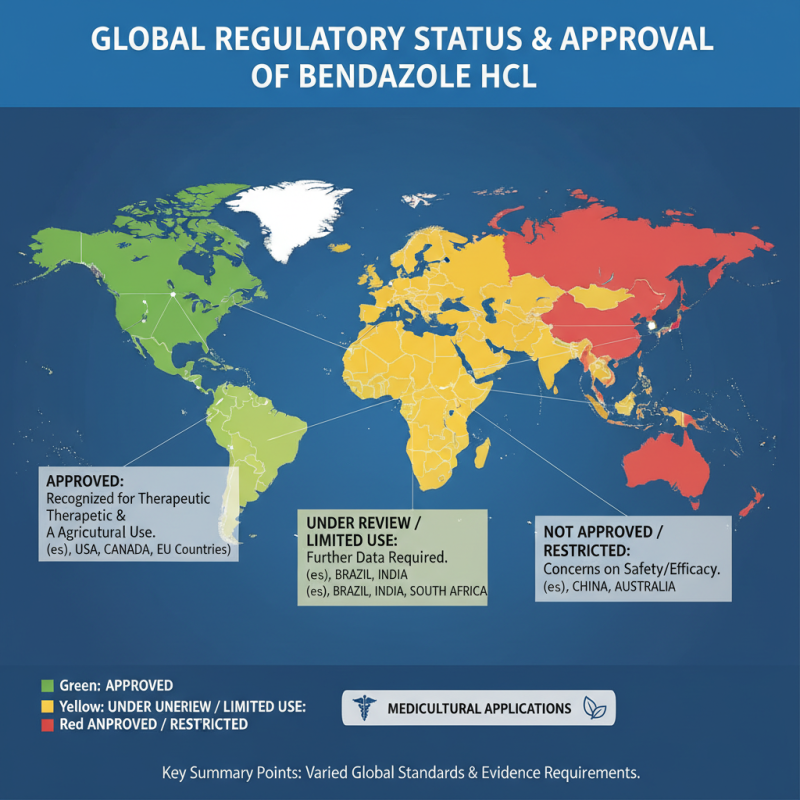
Global Regulatory Status and Approval of Bendazole HCl
Bendazole HCl has gained attention in various regions for its applications in medicine and agriculture. Its regulatory status differs worldwide. In some countries, it is recognized for its potential therapeutic benefits, while in others, it remains under scrutiny. This discrepancy can stem from varying standards of evidence and safety assessments.
Many countries conduct rigorous evaluations before granting approval. Agencies review clinical data to ensure efficacy and safety. This creates a complex landscape where healthcare professionals must navigate differing regulations. Even though Bendazole HCl shows promise, there are ongoing discussions regarding its clinical applications. Regulatory bodies continue to weigh the benefits against potential risks, which can lead to delays in approval.
In some instances, the lack of consensus can foster confusion among practitioners. Medical communities often seek guidance but face challenges due to variable policies. Understanding local regulations is crucial for healthcare providers. They must stay informed about changes in Bendazole HCl's status, as it directly impacts treatment options available to patients. This unpredictability may lead to ethical dilemmas in patient care and the implementation of best practices.