What are the Benefits and Uses of Ethyl Oleate?
Ethyl Oleate is gaining attention in various industries for its unique properties. Dr. Sarah Thompson, a leading expert in organic compounds, states, "Ethyl Oleate offers incredible versatility in formulations." This versatility allows it to be used in food, cosmetics, and pharmaceuticals.
In the food industry, Ethyl Oleate serves as a flavor enhancer and food additive. It can improve the texture and taste of products. In cosmetics, it acts as a skin conditioning agent, providing moisture and enhancing product absorption. Ethyl Oleate is not only effective but also promotes a pleasant user experience.
In pharmaceuticals, its role as a solvent is crucial. Ethyl Oleate helps in drug formulation, ensuring stability and efficacy. However, relying solely on one compound can be limiting. Industry professionals must explore a range of options. Understanding the full potential and limitations of Ethyl Oleate can enhance its application across various fields. This balance of benefits and reflections is essential for responsible use and innovation.
Overview of Ethyl Oleate: Composition and Properties
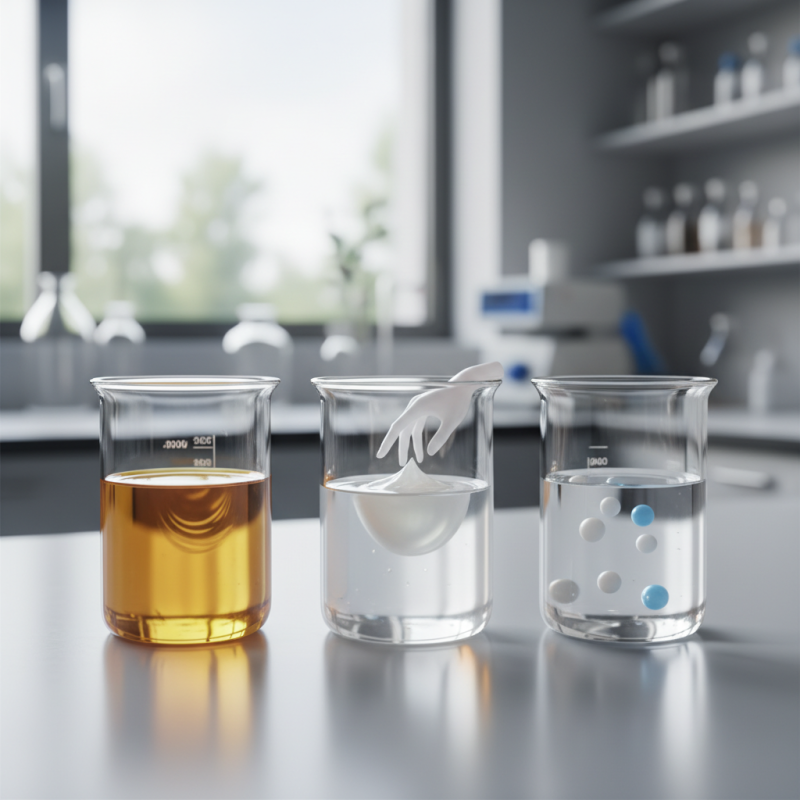
Ethyl oleate is an ester derived from ethanol and oleic acid. It exhibits unique properties that make it valuable across various applications. With a light, non-greasy texture, it is often used in cosmetic formulations. Its ability to dissolve other oils makes it a great solvent for active ingredients. This quality enhances nutrient absorption in skin care products.
The chemical composition of ethyl oleate includes long carbon chains, which contribute to its emollient properties. This helps in moisturizing the skin and improving its texture. Ethyl oleate can also function as a surfactant, aiding in the blending of oils and water. Its versatility doesn't stop there; it is sometimes used in food and pharmaceuticals for its features and relative safety.
Despite its many benefits, ethyl oleate has limitations. Some individuals may experience skin sensitivities. It’s essential to perform patch tests before widespread use. Understanding the balance of its properties and potential reactions is crucial for effective application. The decision to use it should be backed by research and consideration of each individual’s specific needs.
Benefits and Uses of Ethyl Oleate
Key Benefits of Ethyl Oleate in Various Applications
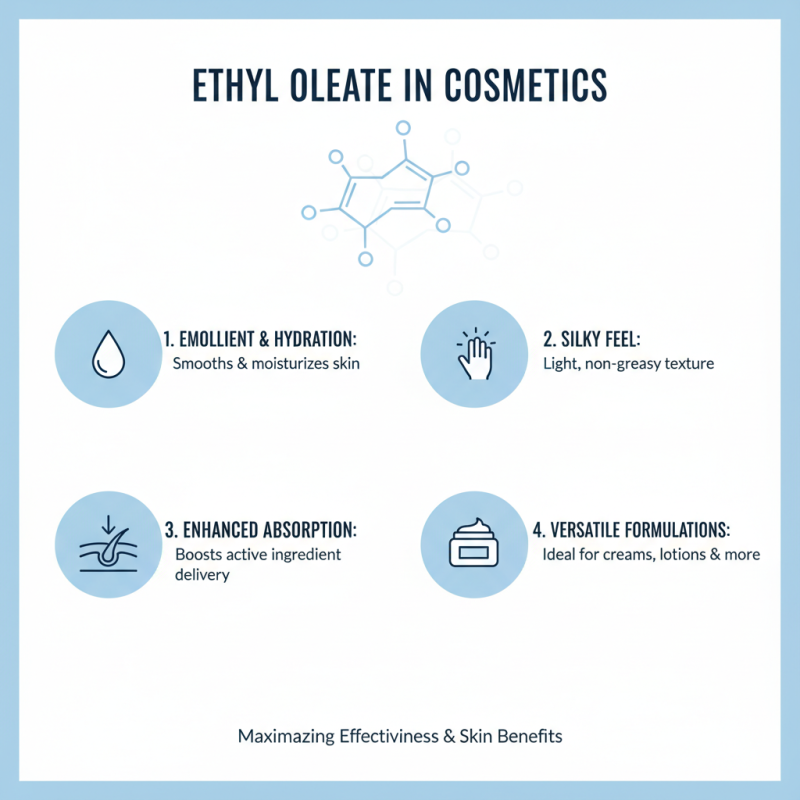
Ethyl oleate is increasingly recognized for its diverse applications in various sectors. In the cosmetic industry, it serves as an effective emollient. Reports indicate that emollients can improve skin hydration by up to 20%. Ethyl oleate aids in formulating lotions and creams. Its light texture ensures it absorbs quickly. This characteristic enhances user experience.
In pharmaceuticals, ethyl oleate is noted for its role as a solvent. It effectively dissolves active ingredients, improving their efficacy. According to industry analyses, it can increase formulation stability by 15-25%. This property is crucial for drug delivery systems, where bioavailability is paramount.
Tips: When using ethyl oleate in formulations, consider its concentration. High levels may alter product feel. Conduct stability tests to ensure formulation integrity over time. Ethyl oleate’s effectiveness can vary with other ingredients. Always perform compatibility assessments during formulation development. Understanding these nuances ensures optimal use of this compound.
Ethyl Oleate in Cosmetic and Personal Care Products
Ethyl oleate is increasingly popular in cosmetic and personal care products. This ester is valued for its smooth texture and excellent emollient properties. It provides hydration and leaves a silky feel to the skin. Many creams and lotions benefit from its light consistency. Ethyl oleate helps improve the absorption of active ingredients. This is crucial for maximizing the effectiveness of cosmetic formulations.
Tips: When trying new products containing ethyl oleate, start with a small amount. Monitor your skin's reaction over a few days. This will help you assess compatibility without overwhelming your skin.
In makeup formulations, ethyl oleate serves as a great solvent. It can dissolve oils and pigments, ensuring even application. Its properties help create a comfortable, non-greasy finish. However, some may find it too heavy for oily skin types. It's essential to choose products suited to your skin's needs. Experimenting can lead to discovering what works best for you.
Tips: Always read ingredient labels. If you're unsure about ethyl oleate's effects, consult a dermatologist. A patch test can also reveal any sensitivities. Understanding your skin type is vital for informed choices.
Role of Ethyl Oleate in Food Industry and Culinary Uses
Ethyl oleate is making notable waves in the food industry. Its unique properties enhance both flavor and texture in diverse culinary applications. This ester is derived from ethanol and oleic acid. It acts as an emulsifier, improving the stability of dressings and sauces. In baked goods, it adds moisture and enhances the shelf life due to its anti-oxidative properties.
Research indicates that ethyl oleate can help reduce the fat content in various products, making them healthier. A 2022 report suggested that incorporating this compound can minimize trans fats while maintaining flavor. This balance is critical as health-conscious consumers seek better options. Ethyl oleate also serves as a carrier for flavors and nutrients, ensuring they blend seamlessly into food.
Tip: Use ethyl oleate in homemade salad dressings to improve emulsion and texture. Start with small amounts to find the balance you prefer.
While ethyl oleate boasts many benefits, it is essential to use it wisely. Overuse can lead to an oily texture, which might be off-putting. Experimentation is key to discovering the right amount for your recipes.
Tip: Keep track of your measurements when adding ethyl oleate to baked goods. This practice helps identify the perfect ratio for embracing its benefits without compromising texture.
Safety and Regulatory Considerations for Ethyl Oleate Usage
Ethyl oleate is a compound often used in food and cosmetics. However, safety is a key concern. Understanding its regulatory status is vital for safe usage. Ethyl oleate is recognized as generally safe in concentrations typically used. Yet, this does not mean it is without risks.
Potential allergic reactions can occur for some individuals. Proper testing should be performed before widespread use. Ethyl oleate should be handled carefully in cosmetic formulations. Contamination and improper storage may lead to undesirable effects. Regulatory bodies monitor its use to ensure consumer safety.
When using ethyl oleate in products, manufacturers must adhere to guidelines. Transparency about sourcing and manufacturing processes is crucial. Clear labeling can help consumers avoid potential allergens. It’s essential to reflect on how even safe ingredients can cause issues in specific uses.
Benefits and Uses of Ethyl Oleate
| Dimension |
Details |
| Chemical Structure |
Ethyl ester of oleic acid |
| CAS Number |
111-62-6 |
| Common Uses |
Solvent in cosmetics, food additives, and pharmaceuticals |
| Benefits |
Enhances skin absorption, non-toxic, biodegradable |
| Regulatory Status |
Generally recognized as safe (GRAS) in food applications |
| Safety Considerations |
Must be handled with care, avoid eye contact; otherwise safe for skin |