2026 Best Glutamic Acid Benefits Uses and Sources to Know?
Glutamic Acid plays a vital role in many biological processes. Understanding its benefits and sources is key to optimizing health. This amino acid is naturally found in various foods. It boosts neurotransmitter activity in the brain. This can enhance cognitive functions and memory.
Many athletes use glutamic acid for recovery. It may reduce muscle soreness after intense workouts. However, the true benefits and mechanisms are still under research. Sources include meat, fish, dairy, and certain vegetables. This means a balanced diet can ensure adequate intake.
While the advantages are clear, individual responses vary. Some might experience sensitivities or digestive issues. Therefore, it’s important to consult health professionals before supplementation. Exploring glutamic acid sheds light on its multifaceted roles in wellness.
What is Glutamic Acid? Understanding Its Chemical Structure and Function
Glutamic acid is a non-essential amino acid crucial for protein synthesis. Its chemical structure includes an amine group, a carboxylic acid group, and a side chain, making it polar and hydrophilic. This unique structure allows glutamic acid to play various roles in the body, particularly in neurotransmission and metabolism. According to the Journal of Nutritional Science, glutamic acid acts as a neurotransmitter, contributing to excitatory signaling in the brain.
The body synthesizes glutamic acid from alpha-ketoglutarate, a key intermediate in the Krebs cycle. Regular dietary sources include meat, fish, eggs, and plant-based foods like soybeans and nuts. Research suggests a linkage between glutamic acid levels and cognitive function. A study published in Neuropsychology Review found that increased glutamic acid concentrations could enhance memory and learning capabilities.
Tip: To optimize glutamic acid intake, consider incorporating more protein-rich foods into your meals. Balance is vital, as excessive glutamate can lead to neurotoxicity or metabolic imbalances. Remember that while it's associated with benefits, moderation is essential for maintaining health.
2026 Best Glutamic Acid Benefits
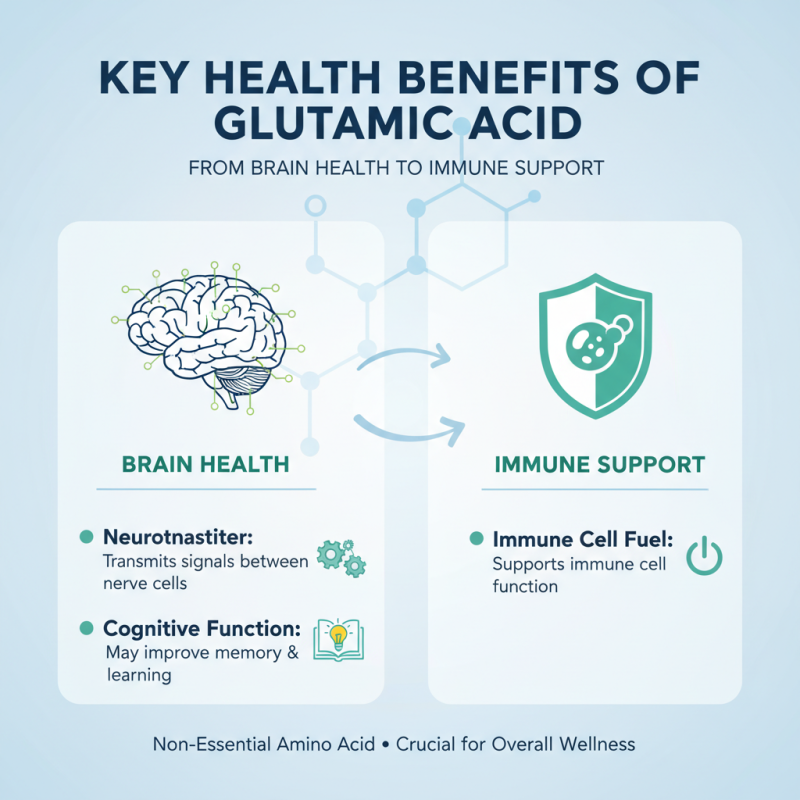
Key Health Benefits of Glutamic Acid: From Brain Health to Immune Support
Glutamic acid plays a vital role in our health. It is a non-essential amino acid, meaning our bodies can produce it. This compound is crucial for brain function. It serves as a neurotransmitter, helping to transmit signals between nerve cells. Enhanced brain communication may improve memory and cognitive abilities. Beyond brain health, glutamic acid supports immune function too.
The body uses glutamic acid in immune system processes. It helps in synthesizing proteins and other vital compounds. This amino acid also aids in detoxifying ammonia, a harmful byproduct of metabolism. A higher concentration of glutamate may enhance the body's ability to fight infections. However, excessive glutamate might lead to overstimulation in the brain, which can be concerning.
Sources of glutamic acid include both animal and plant foods. Meat, fish, eggs, and dairy are rich in this amino acid. Plant-based sources like soy, beans, and nuts also contain glutamate. While these foods are beneficial, individuals should be mindful of their overall intake. Striking a balance is essential for reaping the health benefits without the potential downsides.
Common Uses of Glutamic Acid in Food Industry and Supplements
Glutamic acid is a vital amino acid widely used in the food industry. It acts as a flavor enhancer, particularly in savory dishes. You often find it in foods like soy sauce, cheese, and fermented products. Many people enjoy the taste it adds to their meals. However, the reliance on glutamic acid can raise concerns about overstimulation or sensitivity in some individuals.
In supplements, glutamic acid plays a role in muscle recovery and energy production. Athletes frequently turn to these supplements for improved performance. Studies suggest that glutamic acid may assist in reducing fatigue after intense workouts. Still, the evidence is mixed. Some users report positive effects, while others notice no significant change. This inconsistency warrants further research.
When considering glutamic acid, it's essential to note that quality matters. The source and manufacturing process can influence its effectiveness. Some products may contain additives or impurities. Assessing the integrity of your glutamic acid source can ensure better outcomes. Understanding both its benefits and limitations is vital for informed usage.
Natural Sources of Glutamic Acid: Dietary Options to Include in Your Diet
Glutamic acid is an important amino acid found naturally in various foods. It supports brain health and helps with neurotransmission. Including glutamic acid-rich foods in your diet can enhance overall well-being. So, what are some natural sources you can incorporate?
You can find glutamic acid in protein-rich foods. Meat, fish, and eggs are excellent sources. Dairy products like cheese and yogurt also provide this amino acid. Plant-based options include soy products, beans, and nuts. They serve as healthy alternatives for those who prefer not to consume animal products.
**Tips:** Consider adding whey protein to smoothies for an extra boost. A handful of almonds can provide a quick snack rich in glutamic acid. Explore various recipes that incorporate tofu and lentils to enrich your diet.
Remember, balance is key. While glutamic acid is beneficial, moderation is essential. Overconsumption of any nutrient could lead to unintended consequences. A well-rounded diet allows you to reap the benefits of glutamic acid without overdoing it. Monitor how your body responds and make adjustments as necessary.
Potential Side Effects and Considerations When Using Glutamic Acid
Glutamic acid, while beneficial, warrants careful consideration regarding its potential side effects. This amino acid plays a vital role in brain function, often acting as a neurotransmitter. However, its consumption, particularly in large amounts, can lead to adverse reactions. Research published in the Journal of Nutrition suggests that excessive intake may cause symptoms like headaches, fatigue, and digestive issues. Understanding individual tolerance is essential.
Some individuals may experience sensitivity to glutamic acid. Symptoms may vary, and moderation is crucial. The Human Nutrition Research Center emphasizes being aware of signs of overconsumption. If you feel persistent discomfort, it’s advisable to consult a healthcare professional.
Tip: Start with a low dose to assess your body’s reaction. Listen to your body; any adverse effects should not be ignored. Monitoring your intake can help in finding a suitable balance that maximizes benefits while minimizing risks.