Best Glutamic Acid Suppliers for Your Global Sourcing Needs?
When it comes to sourcing Glutamic Acid, finding reliable suppliers is paramount for businesses. Dr. Emily Chen, a renowned expert in food additives, once said, “Quality and consistency in sourcing Glutamic Acid can make all the difference.” This underscores the importance of selecting trustworthy suppliers in a global market.
Glutamic Acid plays a crucial role in various industries, including food, pharmaceuticals, and nutrition. As demand grows, so does the challenge of identifying the best suppliers. Companies must ensure they find sources that prioritize purity and reliability. Trust is a key factor in these partnerships.
Yet, the supply landscape can be complex. Not all suppliers meet the high standards required for quality production. It's essential to research suppliers thoroughly. Evaluating their production practices and certifications is vital. Businesses should not settle for less, even if it may take more time to find the right supplier. Quality should always take precedence over cost.

Overview of Glutamic Acid and Its Applications in Various Industries
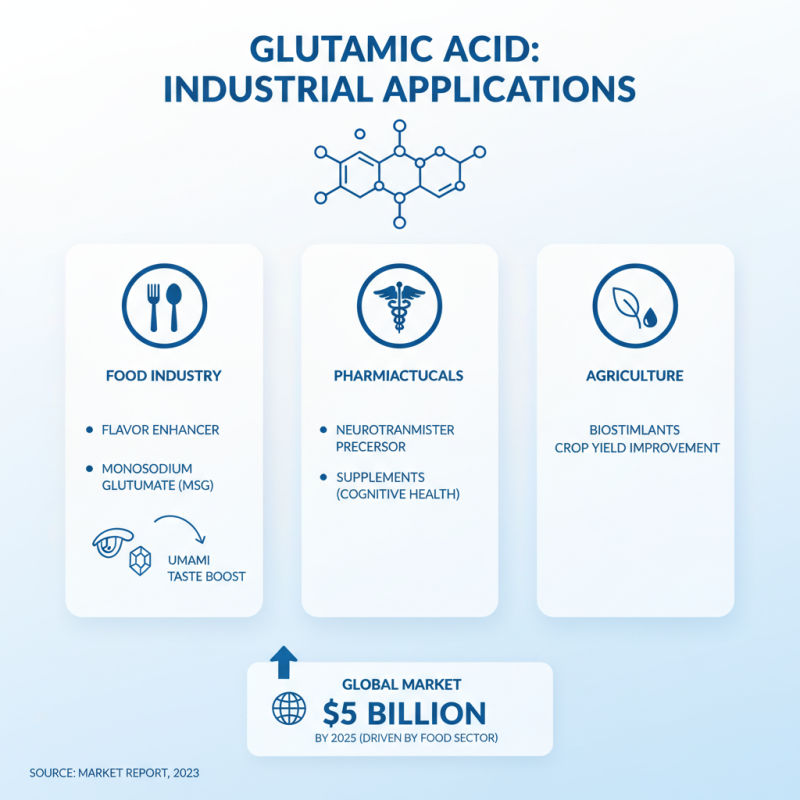
Glutamic acid is an important amino acid widely used in various industries, including food, pharmaceuticals, and agriculture. In the food industry, it's a key ingredient in flavor enhancers like monosodium glutamate (MSG), which boosts the umami taste in dishes. According to a recent market report, the global glutamic acid market is expected to reach approximately $5 billion by 2025, driven by rising demand from the food sector.
In pharmaceuticals, glutamic acid plays a role in neurotransmitter regulation, aiding in brain health. Its application in agriculture as a feed additive enhances livestock growth and productivity, positively impacting the economy. A study revealed that the addition of glutamic acid in animal feed can improve feed efficiency by up to 10%.
Tip: Always source glutamic acid from reputable suppliers to ensure quality. Check for certifications and quality assurance standards. Engage in regular communication with suppliers to discuss potential improvements and adaptations in your sourcing strategy.
Key Factors to Consider When Choosing Glutamic Acid Suppliers
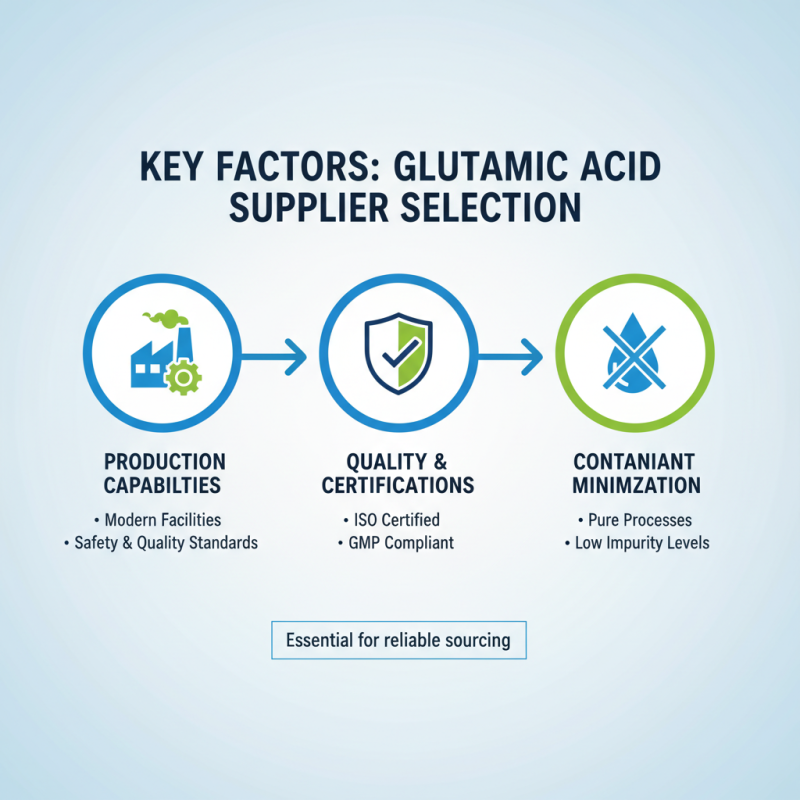
When sourcing glutamic acid, choosing the right supplier is essential. Start by assessing their production capabilities. A reliable supplier should have modern facilities that adhere to safety and quality standards. Certifications such as ISO or GMP are indicators of their commitment to quality. It’s important to ensure that their processes minimize contaminants.
Next, consider their experience in the industry. A supplier with a long-standing history often understands market demands better. They are likely to offer consistent product quality and reliable delivery schedules. Effective communication is key; suppliers should be open to discussing their practices and answering your queries. Don’t hesitate to ask for references or testimonials.
Price is a significant factor, but it should not overshadow quality. Compare quotes from multiple suppliers, but be wary of prices that seem too low. Sometimes, these could indicate lower quality or lack of certain standards. Building a strong relationship with your supplier can improve collaboration. Continuous evaluation of their services ensures they meet your expectations.
Top Global Glutamic Acid Suppliers: A Comparative Analysis
When sourcing glutamic acid globally, understanding supplier credibility is essential. Many suppliers claim high quality, but not all can deliver. Verifying their production processes is crucial. Look for suppliers with certifications and established quality control measures. This ensures consistent product quality and safety standards.
Comparative analysis of global suppliers reveals varying strengths. Some excel in pricing, while others focus on quality. Investigating their sourcing practices, production capacity, and customer reviews provides deeper insights. Engaging directly with suppliers may unveil inconsistencies in their claims. Transparency in process and product information is often lacking.
Additionally, geographical factors can influence supply reliability. Suppliers in regions with stable political climates tend to offer better consistency. However, emerging markets sometimes present unexpected benefits, like lower costs. Challenges may arise from fluctuating regulations or tariffs, impacting delivery times and overall trust in suppliers. Building strong relationships with suppliers can facilitate better communication and enhance mutual understanding.
Quality Assurance and Certification Standards in Glutamic Acid Supply
When sourcing glutamic acid, understanding quality assurance is vital. Suppliers should adhere to strict certification standards. This not only helps ensure product safety but also enhances the overall reliability of the supply chain. Quality management systems like ISO 9001 are crucial. They demonstrate a commitment to maintaining high standards throughout production processes.
Moreover, transparency in sourcing practices can make a significant difference. It's essential to ask suppliers about their sourcing origins and manufacturing methods. Look for verification protocols. Certifications like HACCP ensure food safety, while GMP focuses on proper manufacturing processes. These standards matter significantly in maintaining trust.
However, not all suppliers comply with these regulations. Some may appear credible but fall short in practice. It’s necessary to do thorough background checks. Request documentation that shows compliance with both local and international standards. This diligence can guide you toward finding reliable partners. In the end, pursuing quality certifications is an ongoing process that demands careful consideration.
Quality Assurance and Certification Standards in Glutamic Acid Supply
Trends and Future Prospects in the Global Glutamic Acid Market
The global glutamic acid market is evolving rapidly. Factors such as rising demand in food industries and health applications drive this growth. In recent years, there has been a significant increase in the use of glutamic acid as a flavor enhancer. It is not just a simple additive; it plays a complex role in enhancing umami taste in various cuisines.
Sustainability is becoming increasingly important. Suppliers are exploring eco-friendly production methods. The traditional fermentation process is being scrutinized for efficiency. As more manufacturers aim for greener practices, the market may see a shift in sourcing strategies. This focus could lead to higher-quality products and improved supplier relations based on shared values.
However, challenges remain. Variability in raw material availability can impact production. Suppliers may face difficulties in ensuring consistent quality. Market fluctuations can lead to pricing instability, affecting global sourcing plans. It is essential for buyers to remain informed and adaptable in this changing landscape.