Why is Ethyl Acetate Used in Everyday Products?
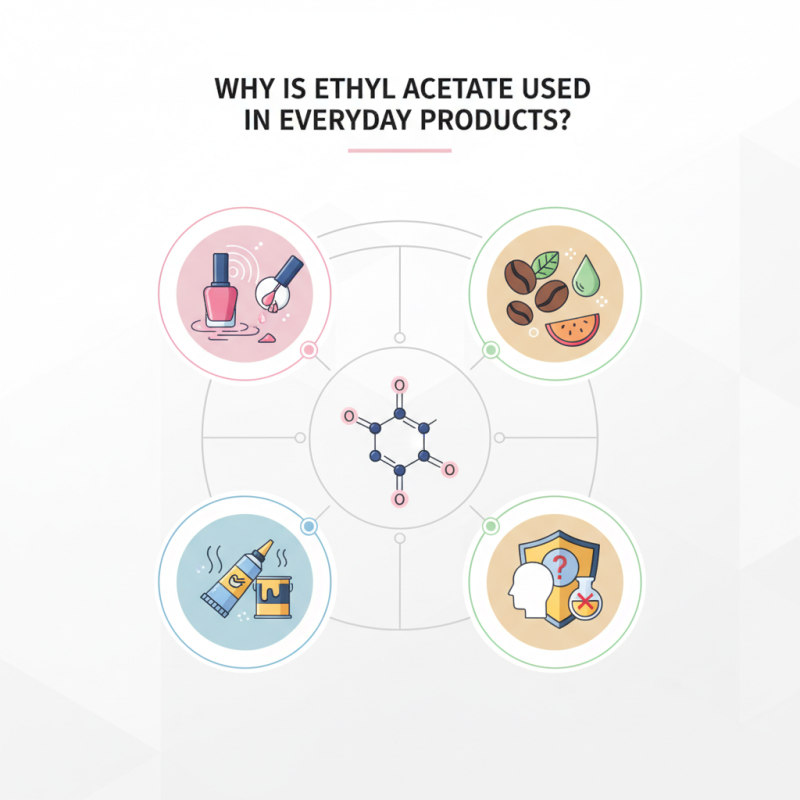
Ethyl Acetate is a common solvent found in many everyday products. This colorless liquid has a sweet smell and is widely used in industries. It is primarily known for its ability to dissolve substances efficiently. In cosmetics, for example, Ethyl Acetate serves as a remover for nail polish. It quickly breaks down the polish, making it easy for users.
In the food industry, Ethyl Acetate acts as an extraction solvent. It helps in flavoring processes without leaving harmful residues. Despite its benefits, there are concerns. The safety of Ethyl Acetate in products should always be considered. Some people may react to it, leading to health issues.
Household items like glues and paints also contain Ethyl Acetate. While it enhances their effectiveness, it can emit strong fumes. Users frequently overlook these aspects, placing convenience over safety. Understanding Ethyl Acetate's role in our lives helps users make informed choices.
Introduction to Ethyl Acetate and Its Properties
Ethyl acetate is a colorless liquid with a distinctive smell. It is commonly used as a solvent in various applications. Its sweet aroma can remind people of nail polish removers or glues. Ethyl acetate evaporates easily, which makes it a popular choice for industries. It is used to dissolve substances, including resins and coatings.
This compound has low toxicity, making it safer for users. In households, it is found in products like adhesives, paints, and cleaning agents. The ability to dissolve oils and fats adds versatility. Ethyl acetate enhances the effectiveness of these products. However, improper ventilation when using products containing it can lead to exposure risks.
Additionally, some may find the smell off-putting. The balance between utility and potential irritation is a fine line. Different concentrations can yield varied results. It is essential to handle ethyl acetate with care, always considering safety precautions. The appeal lies in its effectiveness, but one must remain vigilant about its usage.
Utilization of Ethyl Acetate in Everyday Products
Common Applications of Ethyl Acetate in Household Products
Ethyl acetate is a common ingredient in many household products. It serves various purposes, making it a versatile chemical. One of its key applications is in adhesives. Ethyl acetate works well in helping materials bond together. Studies suggest that adhesives containing ethyl acetate offer faster drying times. This is beneficial for various DIY projects.
Another important use of ethyl acetate is in cleaning agents. It efficiently dissolves dirt and grease. According to industry reports, a significant number of household cleaners utilize this solvent. Its quick evaporation rate means surfaces can dry faster, posing less risk of damage. Though effective, ethyl acetate can have strong odors. This may cause discomfort in poorly ventilated areas.
Tips: Always use ethyl acetate products in well-ventilated spaces. Store them away from children and pets. Test on a small area first when using in cleaning products. Ethyl acetate can irritate the skin. Always wear gloves for safety. Be aware that not all surfaces handle ethyl acetate well. Consider alternatives if you notice damage.
The Role of Ethyl Acetate as a Solvent in Paints and Coatings
Ethyl acetate is a versatile solvent found in various paints and coatings. Its ability to dissolve many organic compounds makes it a popular choice. When mixed with pigments and resins, it creates a smooth application. The solvent evaporates quickly, allowing for faster drying times. This can be very useful in both industrial and DIY projects.
However, not everything is perfect. Ethyl acetate has a noticeable odor, which some may find unpleasant. Proper ventilation is crucial when using products with ethyl acetate. Safety precautions should always be adhered to. Users might experience skin irritation if contact occurs. It's vital to handle it carefully and follow safety guidelines.
Despite these concerns, ethyl acetate remains a valuable option. Its effectiveness as a solvent enhances product performance. Painters appreciate its ease of use and quick-drying nature. Yet, awareness of its potential drawbacks is essential. Balancing its benefits with safety practices can lead to better results.
Ethyl Acetate in the Food and Beverage Industry
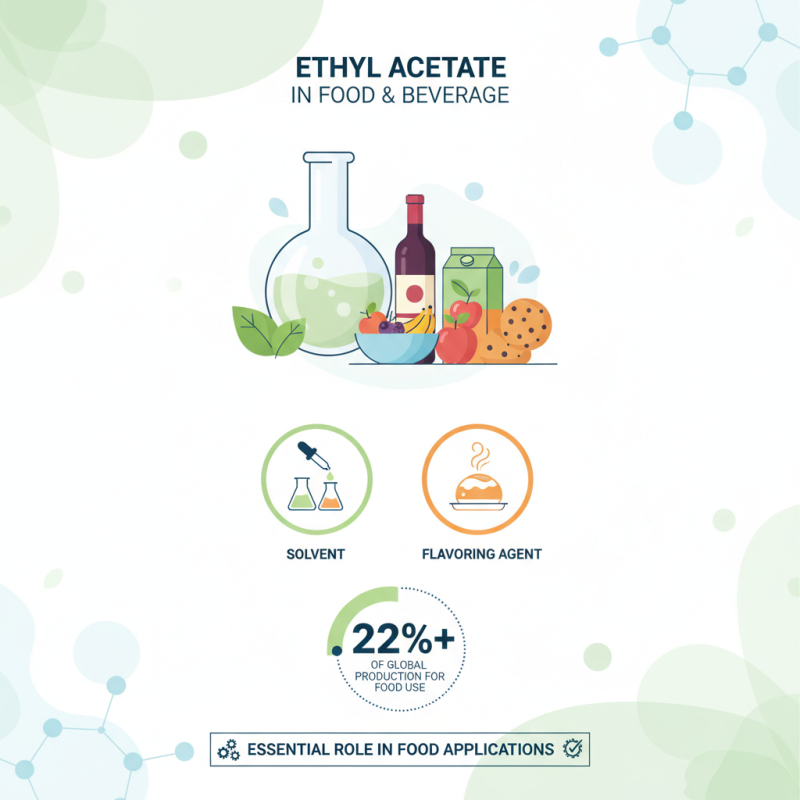
Ethyl acetate is widely used in the food and beverage industry. It serves as a solvent and flavoring agent. According to a recent industry report, over 22% of ethyl acetate production is used in food applications. This number is significant, highlighting its essential role.
In foods, ethyl acetate can enhance flavor and aroma. It has a fruity scent, often found in natural extracts. However, some consumers may be unaware of its presence. Ensuring the right concentration is key. Excessive amounts might alter the taste, leading to unappealing results.
Tips: Always check the ingredient list of processed foods. This awareness can help consumers make informed choices.
Despite its benefits, ethyl acetate isn’t without issues. Some studies suggest it may cause allergic reactions in sensitive individuals. This calls for more thorough research. Balancing flavor enhancement while ensuring safety is crucial.
Tips: When trying new foods, consider moderation. Observe how your body reacts. Awareness and caution can lead to healthier choices.
Environmental and Health Considerations of Ethyl Acetate Usage
Ethyl acetate is widely used in various everyday products, from nail polish remover to paints and adhesives. Its pleasant smell and effectiveness as a solvent make it popular. However, the environmental and health implications of its use are noteworthy. Ethyl acetate is classified as a volatile organic compound (VOC). According to the Environmental Protection Agency (EPA), VOCs can contribute to air pollution, adversely affecting both human health and the environment.
When ethyl acetate is released into the atmosphere, it can lead to smog formation. Studies show that high levels of smog can cause respiratory issues. Inhaling ethyl acetate can also lead to headaches, dizziness, and potential long-term health effects. The National Institute for Occupational Safety and Health (NIOSH) emphasizes the need for caution in work environments where ethyl acetate is prevalent. Continuous exposure can result in sensory irritation and central nervous system effects.
Despite its effective use, the reliance on ethyl acetate raises questions. Are we overlooking safer alternatives? Many advocates urge the industry to research and develop more environmentally-friendly solvents. Balancing efficacy and safety is crucial as the debate on ethyl acetate continues. While it has its advantages, the potential health risks call for mindfulness in its application.
Why is Ethyl Acetate Used in Everyday Products? - Environmental and Health Considerations of Ethyl Acetate Usage
| Product Category |
Common Uses |
Environmental Impact |
Health Considerations |
| Solvents |
Used in paints, coatings and adhesives |
Volatile organic compound contributing to air pollution |
May cause skin and eye irritation |
| Food |
Flavoring agent in food products |
Generally recognized as safe in low concentrations |
High doses may cause headache or dizziness |
| Personal Care |
Ingredients in perfumes and cosmetics |
Potential aquatic toxicity |
Can irritate sensitive skin |
| Cleaning Products |
Used as a degreaser and stain remover |
Contributes to indoor air quality issues |
Prolonged exposure can affect respiratory health |