What is Methyl Paraben and Why is it Used in Products?
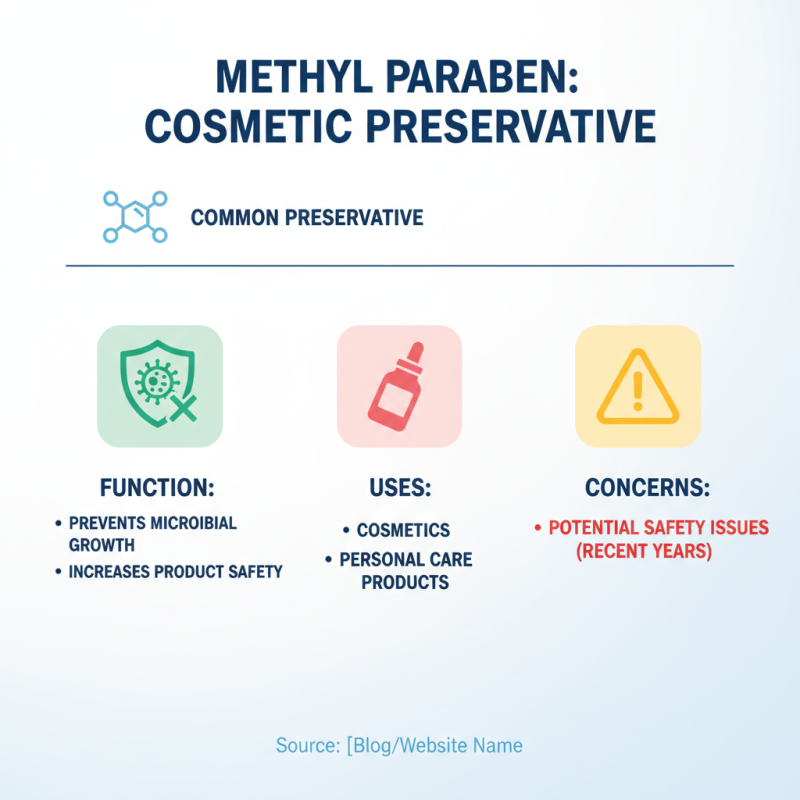
Methyl Paraben is a widely utilized compound in various personal care and cosmetic products. As a preservative, it prevents the growth of harmful bacteria and mold. The global cosmetics industry is projected to reach $800 billion by 2025. Preservatives like Methyl Paraben play a crucial role in maintaining product integrity and safety.
Despite its benefits, Methyl Paraben has drawn scrutiny. Some studies have suggested potential health risks associated with its extended use. The cosmetic market sees a growing demand for paraben-free options. Reports indicate that 27% of consumers prefer products without parabens. This shift reflects consumer awareness and concern regarding ingredient safety.
As we navigate the evolving landscape of product formulation, the role of Methyl Paraben is worth examining. Are the convenience and efficacy it offers worth the potential risks? Balancing safety, efficacy, and consumer preferences presents a challenge. Understanding the debate around Methyl Paraben is essential for informed choices in product development.
Definition and Chemical Structure of Methyl Paraben
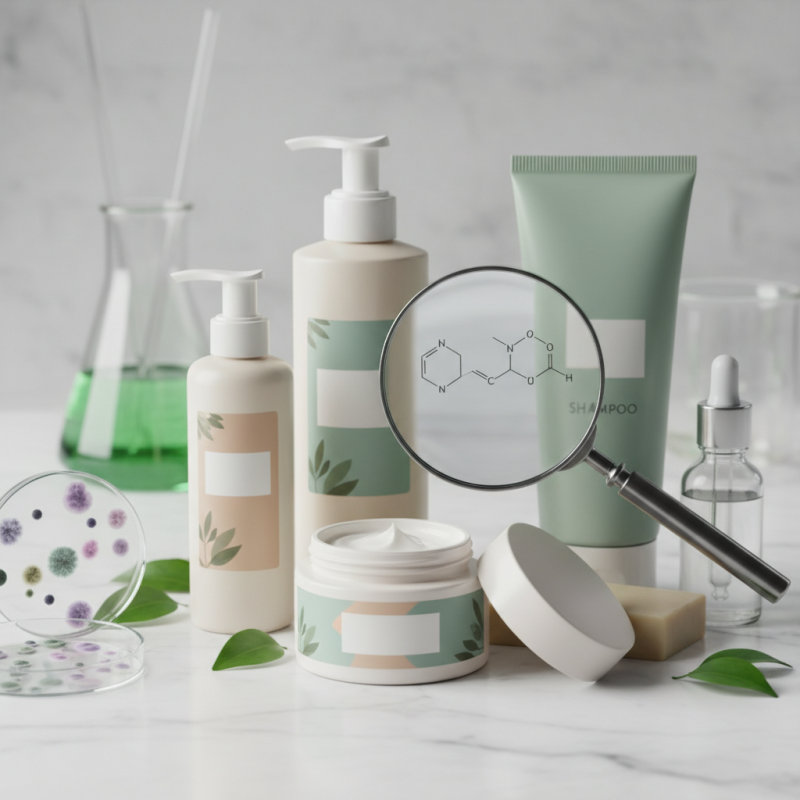
Methyl paraben is a widely used chemical in various personal care products. It belongs to a class of compounds known as parabens. These compounds serve as preservatives, helping to prevent the growth of harmful bacteria and fungi. Methyl paraben is commonly found in cosmetics, lotions, and shampoos.
The chemical structure of methyl paraben is straightforward. It has a molecular formula of C8H8O3. The structure consists of a para-hydroxyl benzoic acid with a methyl group attached. This simple structure contributes to its effectiveness as a preservative. However, its simplicity might also lead many to overlook its potential impacts on health. Some studies have raised concerns regarding parabens and their estrogenic activity. This has sparked debates in the scientific community.
When considering methyl paraben, it’s essential to weigh its benefits against potential risks. On one hand, it helps prolong the shelf life of products. On the other hand, there are questions about long-term exposure and its effects on the body. Users should stay informed and make choices that align with their values and health needs. Awareness is crucial in navigating personal care products.
Common Uses of Methyl Paraben in Cosmetics and Personal Care Products
Methyl parabens are commonly found in various cosmetics and personal care products. They serve as preservatives, which help to extend the shelf life of these items. Research indicates that nearly 75% of cosmetics may contain parabens, including foundations, lotions, and shampoos. The ability to prevent bacteria and mold growth makes methyl paraben a popular choice among manufacturers.
In skin care, methyl parabens are often used in moisturizers and sunscreens. They effectively inhibit microbial growth, ensuring safety and efficacy. A study published by the International Journal of Cosmetic Science noted that formulations with methyl parabens have a lower risk of contamination. However, some consumers harbor concerns regarding the safety of parabens, linking them to hormonal disruptions. The cosmetic industry faces scrutiny amid a shift towards paraben-free products.
Despite their widespread use, the dialog around methyl parabens continues. Many brands are reformulating products to address consumer preferences. Yet, the effectiveness of alternatives sometimes falls short. Choosing the right preservative is a balancing act. Methyl parabens remain effective, but opinions differ greatly. It's important for consumers to make informed choices based on the latest research and trends.
Methyl Paraben Usage in Personal Care Products
Methyl paraben is a widely used preservative in cosmetics and personal care products. The chart below shows the common categories of products that typically contain methyl paraben, along with their respective usage percentages based on market analysis.
Safety and Regulatory Aspects of Methyl Paraben
Methyl paraben is a common preservative used in cosmetics and personal care products. It helps prevent microbial growth. This makes products safer for consumers. However, concerns about its safety have emerged in recent years.
Studies indicate that methyl paraben can mimic estrogen in the body. The European Commission on Endocrine Disruption classified it as a substance of high concern. In 2018, a report showed that 96% of tested products contained parabens, raising alarm. Regulatory agencies like the FDA and the EU evaluate its use rigorously. They monitor for any potential risks associated with prolonged exposure.
Despite its approval, some dermatologists recommend caution. Reaction to parabens may occur in sensitive individuals. This has led many brands to explore alternatives. Natural preservatives are gaining traction, but their effectiveness varies. Industry data shows that while consumers seek safety, they also desire reliable, effective products. This reflects a complex relationship between safety and efficacy in formulation choices.
Potential Health Concerns and Controversies Surrounding Methyl Paraben
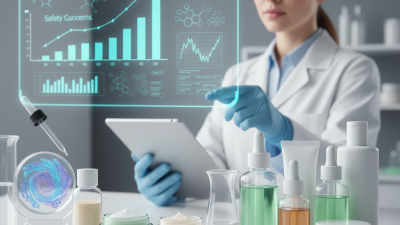
Methyl paraben is a widely used preservative in many cosmetic and personal care products. Its main benefit is to prevent the growth of harmful bacteria and mold. Nevertheless, it has sparked numerous health concerns and controversies. Some studies suggest that methyl paraben may disrupt hormone function, mimicking estrogen in the body. This raises questions about its long-term safety, especially for vulnerable populations like pregnant women and children.
Many consumers are becoming more aware of potential risks associated with synthetic ingredients. The presence of methyl paraben in products can lead to a lack of trust. Some individuals opt for paraben-free alternatives, fearing negative health impacts. However, the scientific community remains divided. While some research indicates a risk, other studies find no significant harm at low levels. This inconsistency can confuse consumers, making informed decisions difficult.
Debates continue about the regulation of methyl paraben. The lack of consensus may create hesitation among manufacturers. Balancing product safety and consumer demand is challenging. As awareness grows, it prompts reflection on the ingredients we apply daily. Health concerns about methyl paraben highlight the need for ongoing research and transparent labeling in the beauty industry.
What is Methyl Paraben and Why is it Used in Products? - Potential Health Concerns and Controversies Surrounding Methyl Paraben
| Aspect |
Details |
| Definition |
Methyl paraben is a commonly used preservative in cosmetic and personal care products. |
| Purpose |
Used to inhibit the growth of bacteria, mold, and yeast to extend shelf life. |
| Common Products |
Found in shampoos, lotions, and various cosmetics. |
| Regulatory Status |
Approved for use by several health organizations; however, concerns arise regarding potential effects. |
| Health Concerns |
Some studies suggest a possible link to endocrine disruption; ongoing debate about its safety. |
| Alternatives |
Natural preservatives, such as essential oils, are being explored as alternatives. |
| Public Perception |
Growing consumer preference for paraben-free products despite regulatory assurances of safety. |
Alternatives to Methyl Paraben in Product Formulations
Methyl paraben is commonly found in personal care products. It acts as a preservative, helping to prevent the growth of harmful bacteria. However, many consumers are seeking alternatives due to increasing concerns about potential health effects. This shift opens the door to new formulations.
One popular alternative is phenoxyethanol. This ingredient is effective at low concentrations and has a low irritation potential. Another choice is ethylhexylglycerin, which not only preserves but also conditions the skin. These options can be more appealing to health-conscious consumers. However, they might not be as stable as methyl paraben in all formulations.
Natural preservatives are gaining traction. Plant extracts and essential oils can provide antimicrobial properties. They bring a fresh perspective to product development. Yet, they can vary in effectiveness and consistency. Companies must balance efficacy with consumer demand for cleaner ingredients. This requires innovation and a commitment to research. It raises questions about what truly constitutes safety and effectiveness in our products.