Propylene Glycol is a versatile compound widely used across various industries, ranging from food and pharmaceuticals to cosmetics and personal care products. Its unique properties, such as being hygroscopic and easily absorbed by the skin, make it an essential ingredient in many applications. However, with its widespread usage, understanding the safety guidelines and practical tips for handling Propylene Glycol becomes crucial for both consumers and industry professionals alike.
In this guide, we delve into the top ten essential tips you need to know about Propylene Glycol, focusing on its safe handling, potential applications, and best practices for usage. Whether you are a manufacturer considering its incorporation into your product lineup or a consumer curious about its presence in everyday items, this overview will equip you with the knowledge required to make informed decisions. By the end of this article, you will have a clearer understanding of how to use Propylene Glycol safely and effectively while appreciating its benefits and applications in various sectors.
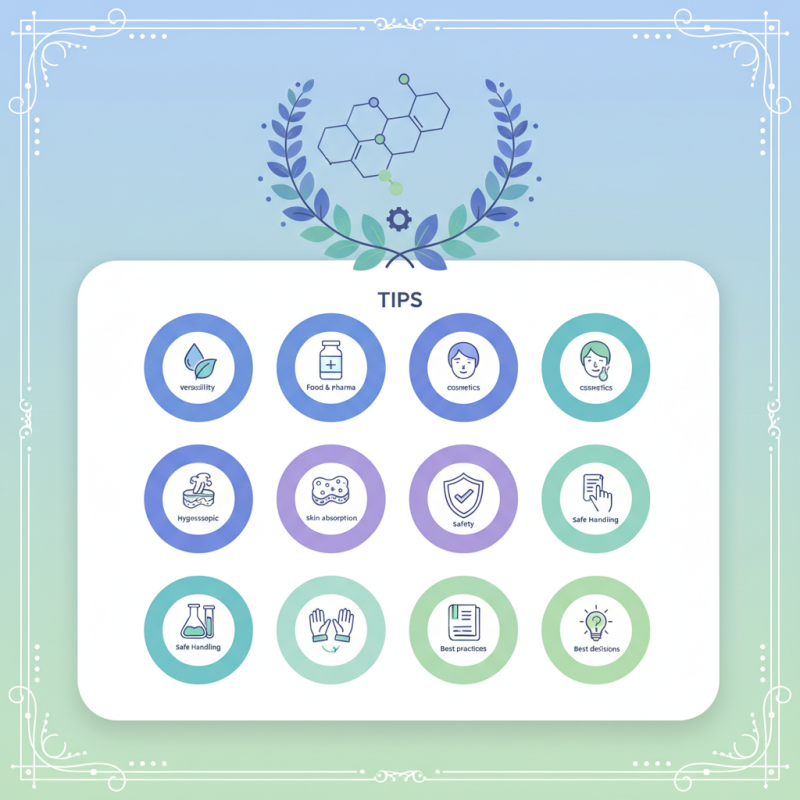
Propylene glycol is a synthetic liquid substance that possesses unique properties, making it versatile in various industries. It is colorless, odorless, and hygroscopic, meaning it can absorb moisture from the air. This characteristic allows it to be used as a humectant in cosmetic and food products, ensuring that they retain moisture and prolong shelf life.
Additionally, its low toxicity profile makes it a safer alternative for many applications compared to other glycols.
The substance has excellent solvent properties, which enable it to dissolve a wide range of compounds. This makes propylene glycol particularly useful in pharmaceutical formulations, where it can serve as a carrier for active ingredients. Moreover, it is utilized in the production of antifreeze and de-icing solutions due to its ability to lower the freezing point of water. Understanding these properties not only highlights the functional advantages of propylene glycol but also emphasizes the importance of handling it properly to ensure safety in its diverse applications.
Propylene glycol is a synthetic organic compound widely used in various industries due to its unique properties. In the food and beverage industry, it serves as a humectant, helping to retain moisture in products and extend shelf life. This ability to attract water makes it an essential ingredient in items like baked goods, salad dressings, and flavored syrups. Additionally, it acts as a solvent for food colorings and flavorings, enhancing the overall product quality.
In the pharmaceutical sector, propylene glycol is utilized as a carrier for active ingredients in topical formulations and oral medications. Its low toxicity profile allows it to be safely incorporated into products such as ointments, gels, and even injectable drugs. Moreover, the cosmetic industry also benefits from propylene glycol's properties, which help in skin hydration and product consistency. Many personal care items like lotions, creams, and shampoos leverage this compound to improve texture and moisture retention. Through its diverse applications in food, pharmaceuticals, and cosmetics, propylene glycol remains an invaluable resource across multiple sectors.
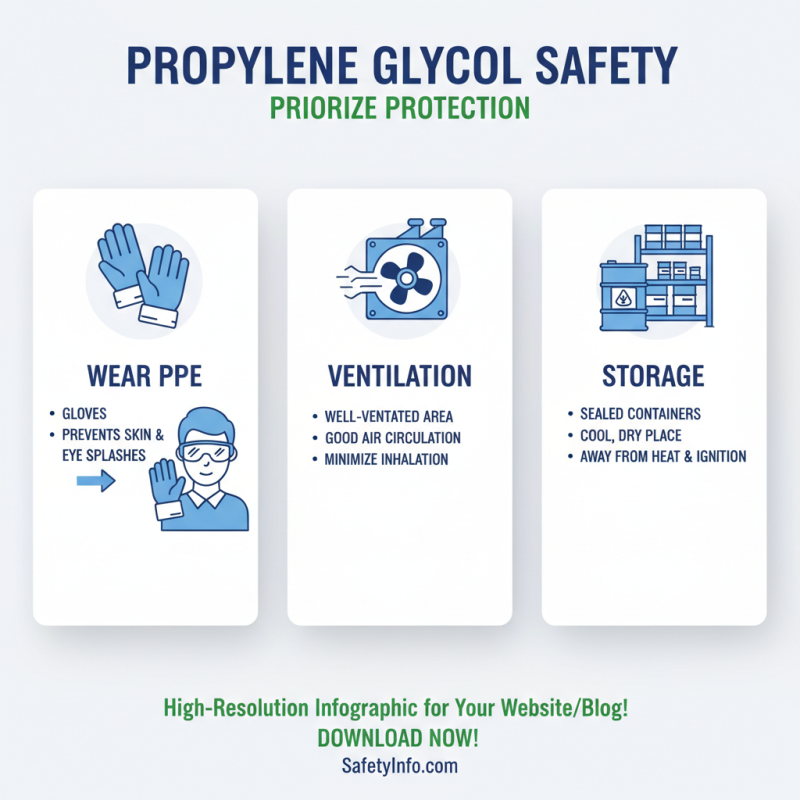
When handling and storing propylene glycol, safety should always be the top priority. First and foremost, ensure you are wearing appropriate personal protective equipment (PPE). This includes gloves and goggles, which can prevent skin irritation and protect your eyes from accidental splashes. Additionally, always work in a well-ventilated area to minimize inhalation exposure; good air circulation helps maintain a safe environment when using or storing this chemical.
When it comes to storage, keep propylene glycol in a cool, dry place, away from direct sunlight and incompatible materials. It’s crucial to seal containers tightly to prevent leaks or spills, which could create unsafe conditions. Regularly check for any signs of leakage or degradation of the container.
Tip: Always label your containers clearly with the contents and hazard warnings; this promotes safer handling practices for anyone who may come into contact with the material. Furthermore, avoid mixing propylene glycol with other chemicals unless you are certain of compatibility to prevent dangerous reactions. By following these guidelines, you can ensure a safer working environment while utilizing propylene glycol effectively.
Propylene glycol is widely used in the food, pharmaceutical, and cosmetic industries due to its versatility as a solvent and humectant. However, its safety profile has raised questions, particularly regarding potential health risks. According to the U.S. Food and Drug Administration (FDA), propylene glycol is generally recognized as safe (GRAS) when used in low concentrations. Nonetheless, excessive exposure can lead to adverse effects, such as skin irritation, allergic reactions, and, in rare cases, central nervous system effects, especially in individuals with pre-existing conditions.
Research highlights that while propylene glycol is typically considered safe, its usage should be approached with caution. A study published in the "Journal of Toxicology" pointed out that higher concentrations can cause toxicity, with effects ranging from mild irritation to more severe health complications. This is particularly concerning for sensitive populations, including infants and those with disrupted liver functions, as they may metabolize propylene glycol at different rates.
The European Food Safety Authority (EFSA) has recommended adhering to established limits, emphasizing the importance of safety measures during manufacturing and usage, such as ensuring adequate ventilation and minimizing prolonged skin contact to reduce the risk of exposure.
When considering the environmental impact of
propylene glycol, it's essential to understand its biodegradability
and how to dispose of it responsibly. Propylene glycol is generally deemed safe and is
biodegradable, meaning it can break down naturally in the environment. However, improper
disposal can lead to contamination of water sources and soils. Always check local regulations
regarding disposal, and avoid pouring it down the drain or dumping it into the environment.
To ensure safe use and disposal, here are some tips: First, always store propylene glycol in
a cool, dry place, away
from direct sunlight to prevent any harmful reactions. Second, when disposing of propylene
glycol, use designated waste disposal sites or follow your local hazardous waste guidelines.
This minimizes environmental impact and promotes responsible usage. Lastly, consider
alternatives where possible, especially in applications with significant environmental exposure,
to reduce the potential ecological footprint.
By following these tips and being conscious of disposal methods, we can mitigate the
environmental impact of propylene glycol while maximizing
its benefits in various applications.
0086-15628869272