Why is Sodium Phytate Important for Your Health and Diet?
Sodium Phytate, a naturally occurring compound found in various plant foods, has garnered attention in recent years for its potential health benefits and role in dietary practices. According to a study published in the *Journal of Nutrition*, phytic acid, the salt form of Sodium Phytate, functions as an essential antioxidant and may play a critical role in reducing the risk of chronic diseases such as cardiovascular disease and certain types of cancer. Furthermore, the World Health Organization has emphasized the importance of dietary components that promote health and longevity, where Sodium Phytate's role in minimizing mineral absorption could also be beneficial in managing conditions like osteoporosis and iron overload.
Research suggests that Sodium Phytate not only serves as a protective agent against oxidative stress but also enhances gut health by influencing gut microbiota composition. A comprehensive report from the *Global Nutrition Report* highlights the significance of including diverse sources of phytates in the diet, as they are linked to improved metabolic profiles and overall wellbeing. By integrating Sodium Phytate-rich foods into daily nutrition, individuals can harness the synergistic effects of this compound, leading to enhanced immune function and reduced inflammation. As health-conscious consumers seek plant-based dietary choices, understanding the value of Sodium Phytate is paramount for fostering a balanced and health-promoting dietary pattern.

Understanding Sodium Phytate: Definition and Sources
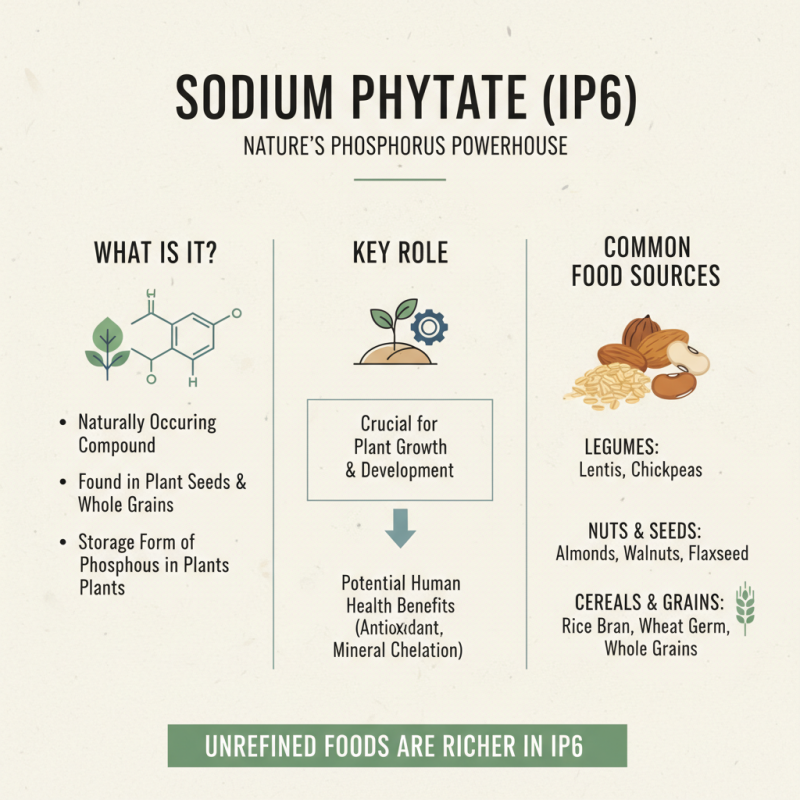
Sodium phytate, also known as inositol hexaphosphate (IP6), is a naturally occurring compound found primarily in plant seeds and whole grains. It serves as the storage form of phosphorus in many plants, playing a crucial role in their growth and development. Common sources of sodium phytate include legumes, nuts, seeds, and cereals, especially when they are in their unrefined states. This compound is particularly abundant in foods such as oats, rice bran, and wheat germ, making these staple foods excellent dietary sources.
In addition to its role as a nutrient storage compound, sodium phytate is recognized for its potential health benefits. It acts as an antioxidant, helping to protect cells from oxidative stress, and may also play a role in reducing the risk of chronic diseases such as heart disease and certain types of cancer. Furthermore, sodium phytate can impact mineral absorption in the body, specifically inhibiting the absorption of iron, zinc, and calcium. As such, while it contributes to overall health through its rich nutrient profile, individuals who rely heavily on phytate-rich foods may need to ensure they also consume foods that are good sources of these essential minerals to maintain a balanced diet.
The Role of Sodium Phytate in Nutrient Absorption
Sodium phytate, a naturally occurring compound found in many plant-based foods, plays a significant role in nutrient absorption. This compound acts as an anti-nutrient, forming complexes with minerals such as calcium, iron, and zinc, which can inhibit their absorption in the digestive tract. While this may sound detrimental, sodium phytate can also facilitate better nutrient utilization when incorporated into a balanced diet, as it encourages a diverse intake of foods.
Moreover, sodium phytate is recognized for its potential to enhance the bioavailability of certain nutrients under specific dietary conditions. For instance, when consumed alongside other nutrients, it may promote a more favorable absorption environment by reducing oxidative stress and inflammation in the gut. This duality underscores the importance of understanding sodium phytate's role in nutrient dynamics rather than viewing it solely as a blocker of absorption. By balancing its consumption with other nutrient-rich foods, individuals can leverage sodium phytate to optimize their health and dietary outcomes effectively.
Health Benefits of Sodium Phytate for the Body
Sodium phytate, a natural compound found in plant seeds, has garnered attention for its multiple health benefits. One of the primary advantages of sodium phytate is its ability to act as an antioxidant. By scavenging free radicals in the body, it helps reduce oxidative stress, which is linked to various chronic diseases, including heart disease and cancer. This protective mechanism not only promotes overall health but may also slow down the aging process by preserving cellular integrity.
Additionally, sodium phytate plays a role in the enhancement of mineral absorption. It can bind to minerals such as calcium, magnesium, and zinc, facilitating their bioavailability during digestion. This is particularly important for individuals on plant-based diets who may be at risk of mineral deficiencies. Moreover, sodium phytate has been studied for its potential benefits in regulating blood sugar levels and improving insulin sensitivity, making it beneficial for metabolic health. Its incorporation into dietary regimes can support both nutritional adequacy and overall wellness, highlighting its significance in a balanced diet.
Health Benefits of Sodium Phytate
Sodium Phytate and Its Impact on Gut Health
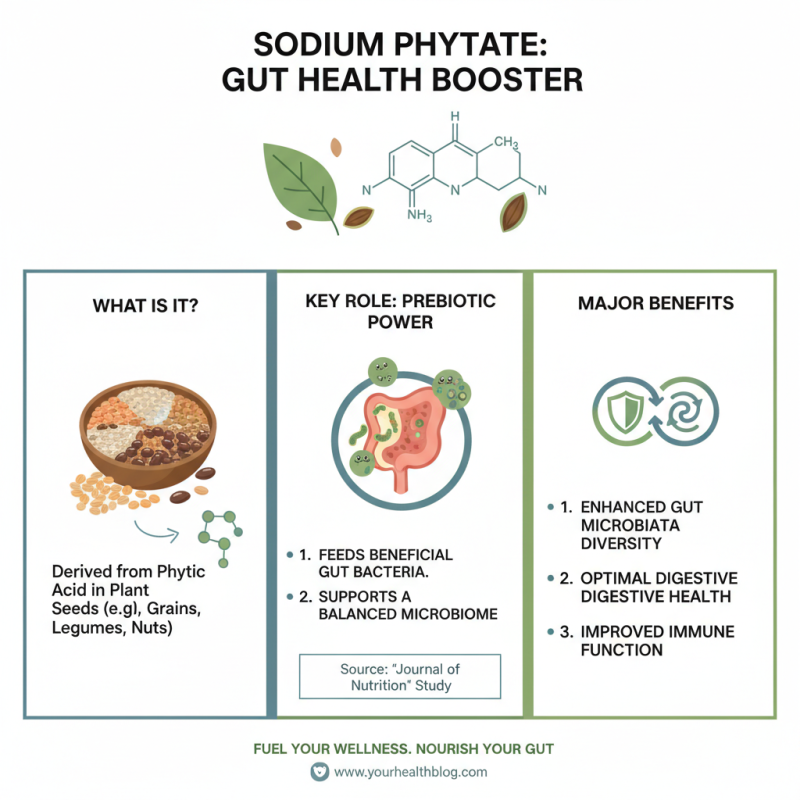
Sodium phytate, a compound derived from phytic acid found in many plant seeds, has garnered attention for its significant role in promoting gut health. Research indicates that sodium phytate acts as a prebiotic, feeding beneficial gut bacteria and supporting a balanced microbiome. A study published in the "Journal of Nutrition" highlighted that diets rich in dietary fibers and prebiotics, including sodium phytate, can enhance the diversity of gut microbiota, which is crucial for optimal digestive health and immune function.
Moreover, sodium phytate has been linked to improved gastrointestinal conditions. According to research by the American Gastroenterological Association, the presence of phytate in the diet can enhance the production of short-chain fatty acids (SCFAs) during the fermentation process. SCFAs, such as butyrate, are vital for maintaining gut barrier integrity and reducing inflammation, potentially lowering the risk of gastrointestinal disorders. These findings underscore the importance of incorporating sodium phytate-rich foods into daily diets to foster a healthy gut environment and promote overall well-being.
Incorporating Sodium Phytate into Your Diet: Practical Tips
Incorporating sodium phytate into your diet offers numerous health benefits, particularly due to its ability to enhance nutrient absorption. Sodium phytate is known to bind minerals such as calcium, iron, and zinc, often found in plant-based foods, potentially increasing their bioavailability when consumed together. According to a study published in the "Journal of Nutrition", adding sodium phytate-rich foods can improve mineral absorption by up to 30%, making it a valuable component for those following vegetarian or vegan diets where mineral intake might be inadequate.
To effectively include sodium phytate in your meals, consider integrating more whole grains, legumes, and nuts, which are natural sources of this compound. Cooking practices, such as soaking beans or grains overnight, can boost the sodium phytate levels, promoting better nutrient absorption during digestion. Furthermore, including fermented products like tempeh can provide both sodium phytate and probiotics, enhancing gut health. The "International Journal of Food Sciences" reports that fermented foods can enhance the bioavailability of nutrients by up to 50%, offering a double benefit when combined with sodium phytate-rich ingredients.
Why is Sodium Phytate Important for Your Health and Diet? - Incorporating Sodium Phytate into Your Diet: Practical Tips
| Nutritional Aspect |
Benefits |
Sources |
Tips for Incorporation |
| Antioxidant Properties |
Protects cells from oxidative damage. |
Whole grains, legumes, nuts. |
Integrate whole grains into meals. |
| Mineral Absorption |
May enhance the absorption of minerals. |
Seeds, beans, and greens. |
Soak beans or seeds before cooking. |
| Heart Health |
Supports cardiovascular health. |
Oats, barley, and pulses. |
Add oats to breakfast smoothies. |
| Blood Sugar Control |
Helps regulate blood sugar levels. |
Quinoa, amaranth, and brown rice. |
Substitute brown rice for white rice. |
| Gut Health |
Supports healthy gut microbiota. |
Fermented foods, whole grains. |
Include fermented foods in your diet. |