How to Source High Quality Liquid Paraffin for Business?
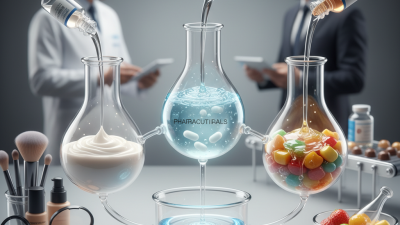
In today's competitive landscape, sourcing high-quality Liquid Paraffin is crucial for businesses across various sectors. According to a 2023 market report by Grand View Research, the global liquid paraffin market size was valued at USD 1.07 billion and is projected to grow at a CAGR of 5.5% over the next five years. This growth highlights the increasing demand for Liquid Paraffin in applications ranging from cosmetics to pharmaceuticals.
Expert John Dowling, a leading figure in the petrochemical industry, states, “Quality sourcing of Liquid Paraffin is key to maintaining product integrity and regulatory compliance.” This insight captures the essence of what businesses must consider when selecting suppliers. The challenge lies not only in finding high-quality Liquid Paraffin but also in ensuring that it meets the stringent standards required by different industries.
Despite its availability, sourcing Liquid Paraffin can be complex. Many suppliers may offer lower-grade products that don't meet legal or quality standards. Businesses must conduct thorough research and due diligence. They must engage with reliable suppliers who can provide certifications and transparency in sourcing practices. The process requires time and a critical mindset, but the rewards include ensuring product excellence and building a trusted brand reputation.
Understanding Liquid Paraffin: Types and Applications
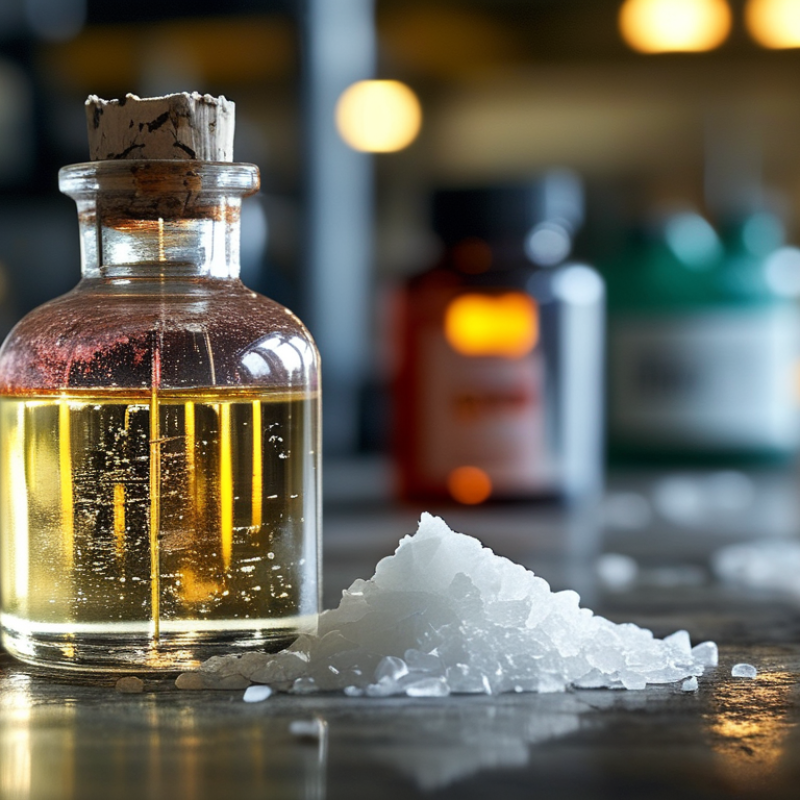
Liquid paraffin, a mineral oil derived from petroleum, has diverse applications across various industries. It is categorized into three types: light, heavy, and intermediate. Light paraffin is often used in cosmetics, while heavy paraffin is favored in industrial applications due to its viscosity. According to industry reports, the global liquid paraffin market is projected to reach $2 billion by 2027, growing at a CAGR of 4.5%. This growth reflects the increasing demand for high-quality products across sectors like pharmaceuticals and personal care.
In the pharmaceutical industry, liquid paraffin acts as a lubricant and laxative. Its role in facilitating drug delivery cannot be underestimated. However, sourcing high-quality liquid paraffin presents challenges. Quality control is vital, as impurities can affect product efficacy. It's essential to partner with reputable suppliers who adhere to strict quality standards. The International Organization for Standardization (ISO) sets guidelines that can help businesses choose reliable sources.
Tips: Look for suppliers with transparent sourcing practices. Conduct thorough research on potential partners. Request product samples to ensure quality meets your standards. Regular audits of suppliers can also help maintain consistent quality. Remember that not all products are created equal, so vigilance in sourcing is crucial for your business's success.
Identifying Reliable Suppliers for Liquid Paraffin
Finding reliable suppliers for liquid paraffin can be challenging. Start by researching manufacturers with a solid reputation in the industry. Look for those with certifications that indicate quality standards. Certifications can sometimes be hard to verify. Due diligence becomes essential.
Engage with potential suppliers through direct communication. Ask specific questions about their sourcing processes, testing methods, and quality controls. Can they provide samples? The ability to test a smaller quantity may help assess purity and quality. Don't hesitate to request references from other customers. Their experiences can provide valuable insights.
Consider the suppliers' capacity and experience in liquid paraffin production. Experience often correlates with consistency and reliability. However, some newer suppliers might offer innovative solutions or competitive pricing. Weigh the pros and cons carefully. It's vital to find a balance between quality and cost-effectiveness.
Evaluating Quality Standards and Certifications
When sourcing high-quality liquid paraffin, evaluating quality standards and certifications is crucial. Look for international certifications like ISO and ASTM. These standards ensure the product meets safety and quality expectations. A supplier with verified quality control processes can provide greater peace of mind.
Tips: Always request a Certificate of Analysis (CoA). It should detail the product's purity and composition.
Pay attention to the viscosity and density of liquid paraffin. These physical properties affect its suitability for various applications. Higher viscosity may signify a greater quality but should meet your specific needs.
Tips: Compare samples from different suppliers. Testing samples can reveal performance differences that certifications alone might not show.
Staying informed about industry standards helps avoid potential pitfalls. Regularly review your suppliers' compliance to maintain your product's reliability. Quality should always be your priority for business success.
Negotiating Pricing and Terms for Bulk Purchases
When negotiating pricing and terms for bulk purchases of liquid paraffin, preparation is key. Research various suppliers and their offerings. Understand the quality and specifications that your business requires. Knowing these details helps you communicate effectively. This knowledge can set the groundwork for a successful negotiation.
During the negotiation, be clear about your expectations. Discuss pricing structures openly. Many suppliers may offer volume discounts, but this varies. Be willing to explore different options for payment and delivery. Negotiating terms like payment timelines and quality guarantees is crucial. Ensure you also clarify any potential penalties for unmet terms.
Sometimes negotiations can lead to unexpected challenges. It’s important to remain flexible and seek solutions that benefit both parties. Reflect on your negotiation strategies and adjust them as needed. Every interaction can provide insights into better practices for future deals. Keeping an open mind will foster stronger supplier relationships.
Establishing Quality Control Measures Post-Purchase
When sourcing high-quality liquid paraffin, establishing effective quality control measures after purchase is crucial. This ensures that the product meets safety standards. According to industry reports, over 30% of liquid paraffin products fail to meet specified purity levels. This can impact your business significantly.
Regular testing is essential. Implement routine laboratory analyses for contaminants and purity. These tests can reveal inconsistencies in batches. Even the highest quality suppliers may provide variable results. Invest in a reliable testing protocol to reduce risks.
Tips: Define specifications for your product. This can include viscosity, odor, and appearance. Elevate standards to ensure consistency across shipments. Train your staff to identify quality issues in the receiving phase. They should know what to look for during inspections. Quality control is not a one-time task. Engage in continuous monitoring and assessments. This helps identify trends that can indicate potential quality dips.