How to Use Tylosin Phosphate for Optimal Animal Health and Production
In the realm of animal health and production, managing disease and supporting growth rates are paramount for achieving optimal results in livestock operations. One of the leading solutions in veterinary medicine is Tylosin Phosphate, a highly effective antibiotic known for its role in enhancing the health of various animal species. This veterinary formulation has garnered attention for its ability to improve feed efficiency, support weight gain, and combat bacterial infections, ultimately leading to better production outcomes.
Understanding the correct usage of Tylosin Phosphate is crucial for farmers and veterinarians alike. This introduction will explore the various applications of Tylosin Phosphate in livestock management, including its administration methods and timing to maximize its benefits. By incorporating Tylosin Phosphate into animal husbandry practices, producers can not only promote healthier animal growth but also address the challenges posed by common pathogens, thereby ensuring a more robust and productive agricultural system. Through this guide, we aim to provide insights into leveraging Tylosin Phosphate effectively, supporting both animal welfare and the economic viability of livestock operations.
Understanding Tylosin Phosphate: Mechanism of Action in Animal Health
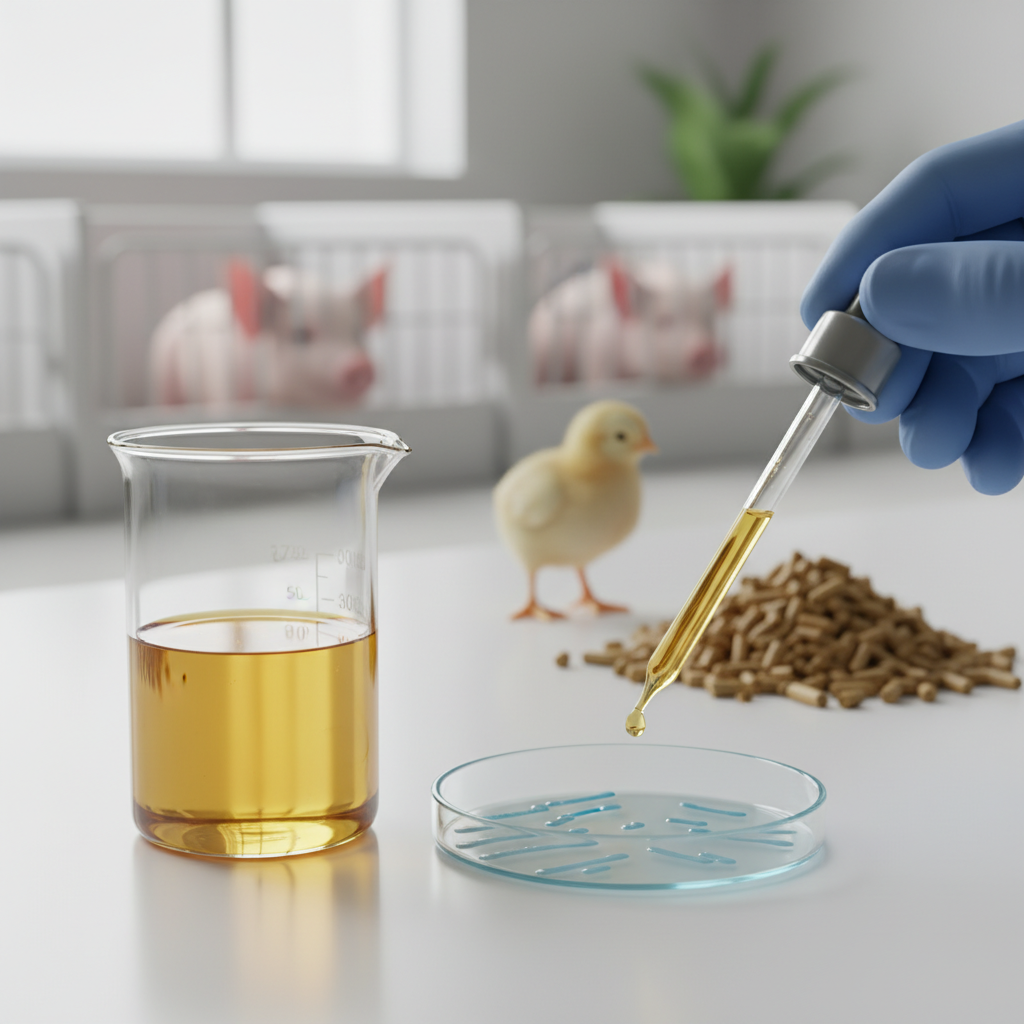
Tylosin phosphate is a macrolide antibiotic widely used in veterinary medicine for promoting animal health and enhancing production efficiency. Its primary mechanism of action involves inhibiting bacterial protein synthesis by binding to the 50S subunit of the ribosome, effectively disrupting the growth of numerous gram-positive bacteria and some gram-negative species. This antibiotic is particularly effective against pathogens associated with respiratory and gastrointestinal infections, making it a vital tool in livestock management. According to the American Association of Swine Veterinarians (AASV), tylosin administration has been shown to reduce mortality rates in pigs suffering from swine respiratory disease by nearly 25%.
In addition to its antibacterial properties, tylosin phosphate aids in improving feed efficiency. Research published in the Journal of Animal Science highlighted that incorporating tylosin in the diet of poultry augmented body weight gain and feed conversion ratio, demonstrating an average improvement of 5-10% in performance metrics. This not only contributes to the overall health of the animals but also enhances their production capabilities, resulting in better profitability for farmers. Furthermore, with the global increase in livestock production, understanding and harnessing the benefits of tylosin phosphate becomes crucial in addressing the challenges of maintaining animal health while maximizing output.
Optimal Dosage Guidelines for Tylosin Phosphate in Livestock Management
When managing livestock health, understanding the optimal dosage of Tylosin Phosphate is crucial for effective results. This antibiotic is commonly used to promote growth and control infections in animals. For optimum use, dosages typically range from 11 to 22 mg per kg of body weight, depending on the species and the health condition being treated. It’s vital to follow a veterinarian's recommendations while also considering the specific needs of your livestock.
**Tips:** Always measure the specific weight of your animals before administering Tylosin Phosphate to ensure precise dosage. Adjustments may be necessary based on age, breed, and overall health status. Additionally, monitor the animals closely for any adverse reactions or signs of improvement; this ongoing observation can inform any need for dosage adjustments in future treatments.
Maintaining a proper administration schedule is also key to maximizing Tylosin's effectiveness. If using in a feed formulation, incorporate it consistently to ensure that all animals receive the proper dose. Combining Tylosin with other management practices, such as good nutrition and biosecurity measures, can further enhance animal health and productivity.
Assessing the Impact of Tylosin Phosphate on Growth Performance Metrics
Tylosin phosphate, a macrolide antibiotic widely used in veterinary medicine, has been shown to significantly impact growth performance metrics in livestock. Recent studies indicate that integrating tylosin phosphate in animal feed can enhance growth rates, feed efficiency, and overall health. For instance, research has demonstrated that livestock receiving tylosin phosphate experienced growth performance metrics improvement by an estimated 10-20% compared to control groups. This effect is attributed to its role in modulating gut microbiota, which can improve nutrient absorption and metabolic health, essential factors for optimum livestock production.
Moreover, the application of phosphorus-rich organic amendments in combination with tylosin phosphate has shown intriguing results. Investigating the interaction of phosphorus solubilizing bacteria with tylosin can further enhance phosphorus availability in nutrient-deficient environments. For example, data reveals that under low phosphorus stress, plant varieties that utilized arbuscular mycorrhizal fungi alongside traditional fertilizers achieved a 30% increase in phosphorus uptake. This synergy suggests potential pathways for maximizing the benefits of tylosin phosphate, especially in contexts where nutritional stressors are prevalent, ultimately aiming for improved productivity and sustainability in animal agriculture.
How to Use Tylosin Phosphate for Optimal Animal Health and Production - Assessing the Impact of Tylosin Phosphate on Growth Performance Metrics
| Metrics |
Control Group |
Tylosin Phosphate Group |
Percentage Change (%) |
| Average Daily Gain (ADG) (g) |
650 |
760 |
16.92 |
| Feed Conversion Ratio (FCR) |
2.5 |
2.2 |
12.00 |
| Body Weight (BW) at 10 Weeks (kg) |
30 |
35 |
16.67 |
| Mortality Rate (%) |
4.0 |
2.5 |
37.50 |
Evaluating the Antimicrobial Resistance Concerns with Tylosin Use
The use of Tylosin Phosphate as an antibiotic in animal husbandry has raised significant concerns regarding antimicrobial resistance (AMR). The European Medicines Agency reported that the overuse of antibiotics in livestock can lead to the emergence of resistant bacterial strains, which ultimately poses a risk not only to animal health but also to human health. According to a 2021 CDC report, nearly 1 in 5 drug-resistant infections in humans are linked to the use of antibiotics in agriculture, illustrating a direct correlation between veterinary antibiotic use and public health risks.
Moreover, studies indicate that Tylosin Phosphate may contribute to the development of resistance among enteric bacteria. A research published in the journal "Antimicrobial Agents and Chemotherapy" found that Tylosin not only selects for resistant Enterococcus species in animal intestines but can also facilitate gene transfer among bacteria, compounding the resistance issue. A 2020 review by the World Health Organization emphasized the pressing need to monitor and regulate antibiotics like Tylosin in agricultural settings to mitigate the spread of resistance and ensure that effective treatments for both animals and humans remain available. This highlights the critical importance of responsible antibiotic use in animal agriculture to safeguard both animal wellbeing and public health.
Impact of Tylosin Phosphate on Animal Health Indicators
Case Studies: Successful Implementation of Tylosin Phosphate in Animal Production
Tylosin phosphate has made notable strides in the field of animal production, demonstrating remarkable benefits in various case studies. For instance, a pig farm in the Midwest reported a
15% increase in growth rates after incorporating Tylosin phosphate into their feed. This improvement not only enhanced animal weight gain but also reduced the incidence of
respiratory diseases, underscoring its importance in maintaining herd health.
Similarly, poultry farms globally have observed significant reductions in mortality rates and improved egg production when utilizing this antibiotic.
Tips for optimal use of Tylosin phosphate include ensuring precise dosing according to animal weight and health status. It's essential to work closely with veterinarians to tailor treatment regimens that fit the specific needs of
the herd. Additionally, implementing proper biosecurity measures will amplify Tylosin's effects by minimizing disease outbreaks in the first place. Monitoring animal health and response to the treatment is critical, as timely adjustments can enhance productivity further and safeguard animal well-being.