What is Tylosin Tartrate and How is it Used Globally?
Tylosin Tartrate is an important antibiotic used in veterinary medicine. Its primary role is to treat various infections in livestock. This effective compound is derived from the bacteria Streptomyces fradiae. In many regions globally, Tylosin Tartrate supports animal health and growth.
Farmers and veterinarians utilize Tylosin Tartrate to combat respiratory diseases in pigs, poultry, and other livestock. The antibiotic enhances feed efficiency and helps manage disease outbreaks. It has become an essential tool in modern agriculture. However, the use of Tylosin Tartrate raises concerns regarding antibiotic resistance.
While Tylosin Tartrate has benefits, its impact on human health warrants attention. Some studies indicate potential risk factors associated with antibiotic use in animals. The need for careful monitoring and responsible usage is evident. As we continue to research Tylosin Tartrate, understanding its implications is crucial for global health and agriculture.
What is Tylosin Tartrate and its Chemical Composition?
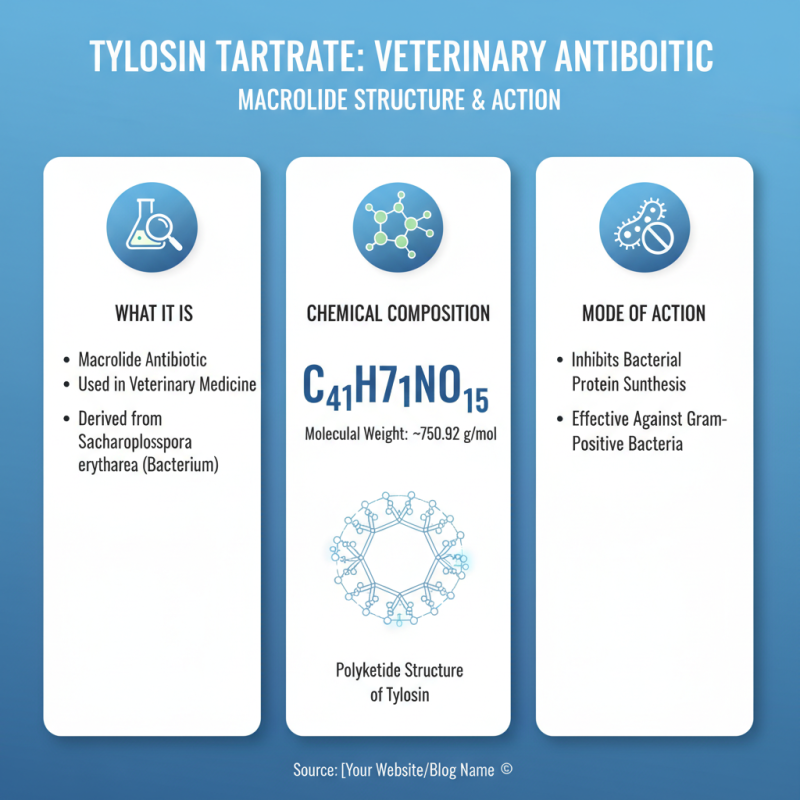
Tylosin Tartrate is a macrolide antibiotic commonly used in veterinary medicine. Its chemical composition is based on the polyketide structure of Tylosin, derived from the bacterium Saccharopolyspora erythraea. The formula is C41H71NO15, with a molecular weight of about 750.92 g/mol. This structure enables Tylosin to inhibit bacterial protein synthesis, making it effective against various Gram-positive bacteria.
In global agriculture, Tylosin is often used to promote growth in livestock. Data indicate that its inclusion in feed can enhance feed efficiency and growth rates in animals. According to the Food and Agriculture Organization, the global market for veterinary antibiotics was valued at approximately $4.5 billion in 2021, with Tylosin representing a significant portion of this segment. However, its use is subject to ongoing scrutiny due to concerns over antibiotic resistance.
Despite its benefits, reliance on Tylosin raises questions. Some studies suggest potential negative impacts on animal gut microbiota. Modifications in microbial communities can lead to unintended health issues. Moreover, regulatory bodies in several countries continue to evaluate its safety in food products. This underscores the need for continuous research and responsible use in farming practices.
Historical Development and Approval of Tylosin Tartrate Globally
Tylosin Tartrate is an antibiotic widely used in veterinary medicine. Its development can be traced back to the late 1950s when it was derived from a soil bacterium. This antibiotic gained regulatory approval in numerous countries due to its effectiveness against various bacterial infections in livestock. By the 1980s, Tylosin was recognized for its role in promoting growth and improving feed efficiency in poultry and swine. Reports indicate significant adoption in regions like Asia and North America, where the demand for sustainable livestock production is growing.
The global approval process involves rigorous testing for safety and efficacy. Various health authorities evaluate the drug's impact on food safety, resistance development, and environmental effects. For instance, studies have shown Tylosin to be a crucial component in disease control, highlighting its importance in the agricultural sector. The challenge remains in balancing its use with the emerging concerns about antibiotic resistance, prompting continuous scrutiny.
Tip: Always ensure that the use of any antibiotic, including Tylosin, adheres to local regulations and guidelines to promote responsible use in agriculture.
In recent years, conversations around antibiotic stewardship have intensified. While Tylosin has proven benefits, stakeholders face the task of managing risks associated with antibiotic use in livestock. This calls for ongoing research and better practices in animal husbandry. Collaboration between veterinarians and farmers will be essential in addressing these concerns moving forward.
Primary Uses of Tylosin Tartrate in Veterinary Medicine
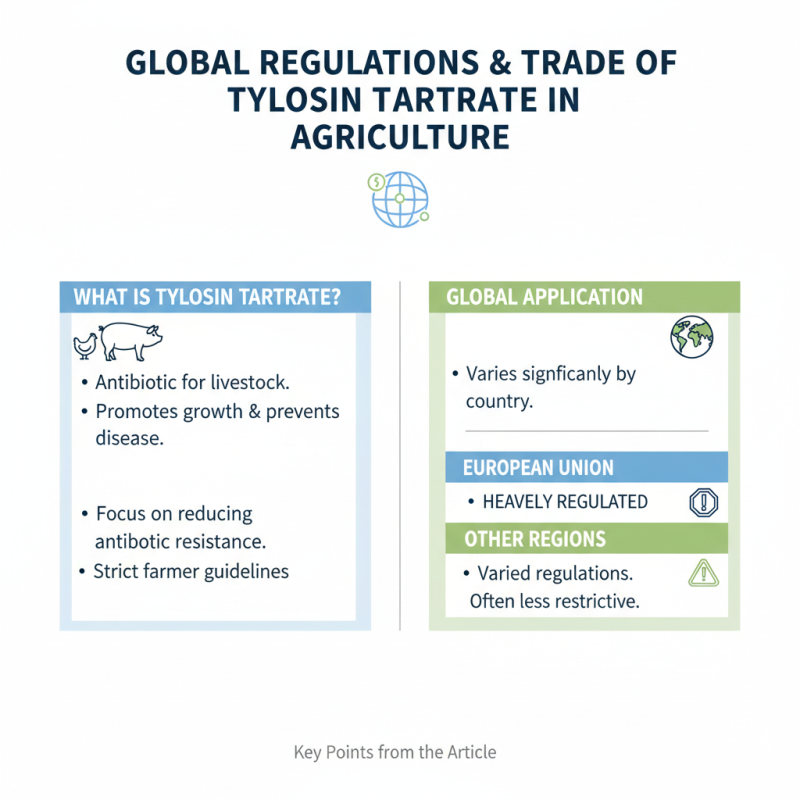
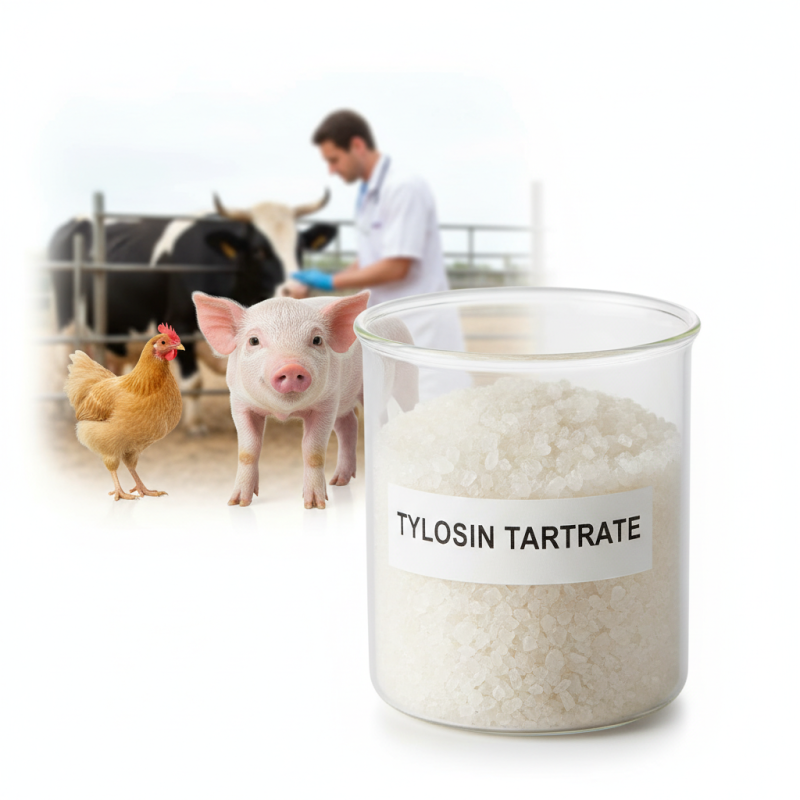
Tylosin tartrate is an important antibiotic used in veterinary medicine. It is primarily effective against various bacterial infections in livestock. This drug helps promote growth and prevent disease in animals like pigs and poultry. Many farmers utilize tylosin tartrate to boost animal health and productivity.
Veterinarians often prescribe tylosin tartrate to treat respiratory infections in livestock. It is especially useful in swine, where respiratory diseases can cause significant losses. In poultry, it helps manage conditions related to the gut, supporting overall health. However, reliance on antibiotics raises concerns about antibiotic resistance.
The use of tylosin tartrate must be well-regulated. Its efficacy depends on proper dosages and treatment protocols. Overuse can lead to ineffective treatments or contribute to resistance issues. Veterinary professionals advocate for responsible use to ensure safety for both animals and humans. Striking a balance between productivity and health is crucial in modern farming practices.
What is Tylosin Tartrate and How is it Used Globally? - Primary Uses of Tylosin Tartrate in Veterinary Medicine
| Use Case |
Animal Type |
Dosage Form |
Administration Route |
Primary Indication |
| Control of Respiratory Infections |
Swine |
Oral Powder |
Oral |
Mycoplasma pneumonia |
| Treatment of Enteritis |
Cattle |
Injectable Solution |
Subcutaneous |
Bacterial infections |
| Prevention of Liver Abscesses |
Beef Cattle |
Medicated Feed |
Oral |
Liver abscesses |
| Control of Poultry Diseases |
Poultry |
Oral Suspension |
Drinking Water |
Salmonella and E. coli |
| Treatment of Skin Infections |
Small Animals |
Tablet |
Oral |
Bacterial skin infections |
Mechanism of Action: How Tylosin Tartrate Functions in Animals
Tylosin tartrate is an antibiotic used in veterinary medicine. It primarily targets bacterial infections in livestock and poultry. Understanding its mechanism of action is essential for effective use. Tylosin works by inhibiting protein synthesis in bacteria, disrupting their growth. This action is particularly effective against certain gram-positive bacteria.
When administered, tylosin binds to the ribosomal subunits of the bacteria. This binding blocks the translation process, preventing the production of essential proteins. As a result, the bacteria cannot replicate or perform vital functions. This mechanism provides a therapeutic advantage in treating various infections in animals, especially respiratory and digestive tract infections.
While generally effective, the use of tylosin must be carefully managed. There are concerns about antibiotic resistance. Overuse can lead to a decline in its effectiveness. This is a critical issue in animal agriculture and requires thoughtful approaches to antibiotic administration. Veterinary professionals must weigh the benefits against potential long-term effects. These reflections are vital for sustainable animal health practices.