How to Use Phytic Acid for Skin Benefits?
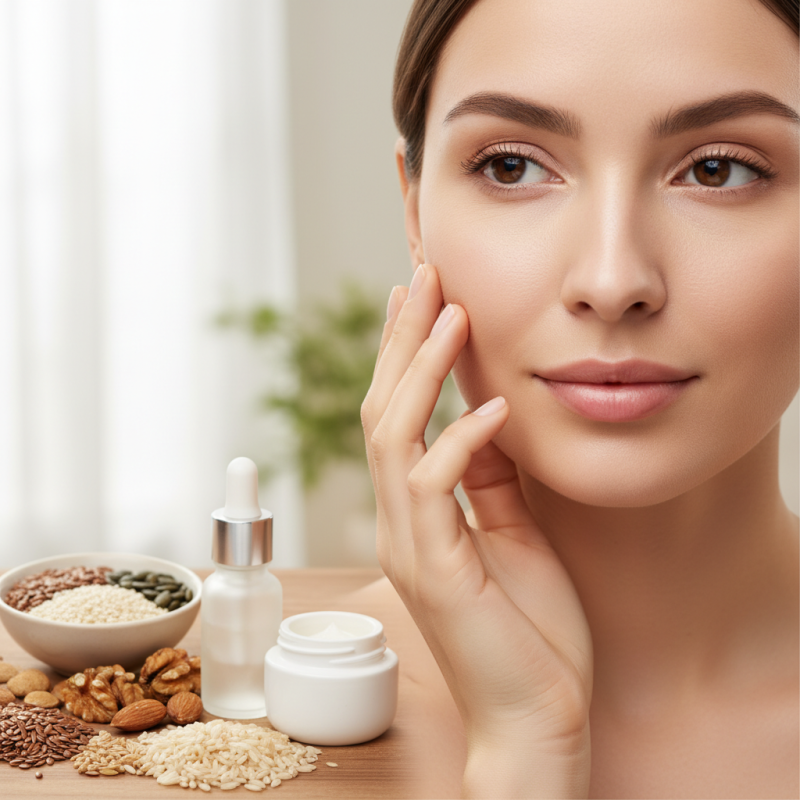
Phytic Acid is gaining attention in skincare circles for its unique benefits. This naturally occurring compound is found in seeds, nuts, and grains. It acts as an antioxidant and helps in skin exfoliation. Many are curious about how to incorporate Phytic Acid into their routines.
Using Phytic Acid can brighten your complexion and reduce the appearance of fine lines. Some might experience a slight irritation when starting out. This emphasizes the importance of patch testing. Balance is key when adding new ingredients to your regimen.
Phytic Acid encourages skin renewal but not everyone will see instant results. It often requires consistent use for noticeable benefits. Don’t forget to consider your skin type. Being mindful of its effects will enhance your skincare journey with Phytic Acid, making it a worthy addition.
Understanding Phytic Acid: What It Is and How It Works on Skin
Phytic acid is an intriguing ingredient known for its skin benefits. It is naturally found in seeds, grains, and legumes. Phytic acid is an antioxidant that helps protect skin from oxidative stress. According to a review by the Journal of Cosmetic Dermatology, antioxidants can significantly reduce skin damage caused by environmental factors.
This compound works by chelating metals, which means it binds to metals like iron and copper. These metals can generate free radicals when exposed to UV light. By removing these metals, phytic acid helps keep the skin's barrier intact. A study published in the International Journal of Dermatology notes that a stronger skin barrier can improve hydration levels.
Despite its benefits, some users report varying results. Not everyone's skin responds positively to phytic acid. Patch testing is often recommended to avoid irritation. Additionally, while it may brighten skin appearance, overuse can lead to dryness. A delicate balance is necessary. Understanding the body's unique response is vital to harnessing phytic acid's full potential.
Benefits of Phytic Acid for Skin Health and Appearance
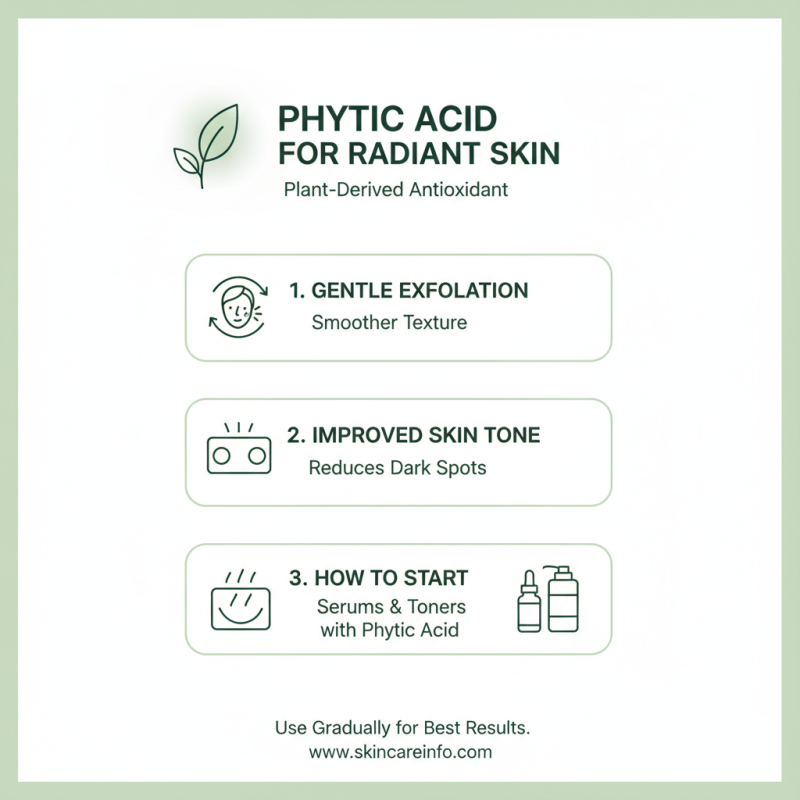
Phytic acid offers multiple benefits for skin health and appearance. This natural ingredient is known for its antioxidant properties. It helps neutralize free radicals that can cause skin aging. Additionally, phytic acid acts as a gentle exfoliant. This means it can help reveal brighter skin without harsh scrubbing.
For those looking to try phytic acid, here are some practical tips. Start with a patch test to ensure your skin reacts well. Apply a small amount to a discreet area. Wait 24 hours to check for irritation. When using products with phytic acid, consider incorporating it gradually. Begin with once a week and slowly increase frequency. This approach helps your skin adjust over time.
Phytic acid can also improve skin tone. It is particularly effective in reducing the appearance of dark spots. Regular use may lead to a more even complexion. However, remember each skin type is unique. Some might experience dryness or sensitivity. Always listen to your skin and adjust your routine as needed. Consider consulting a skincare professional if you're unsure.
How to Incorporate Phytic Acid into Your Skincare Routine
Incorporating phytic acid into your skincare routine can yield impressive results. This plant-derived ingredient is packed with antioxidants. It helps to gently exfoliate the skin, revealing a smoother texture. To start, look for serums or toners that list phytic acid among their ingredients. Applying these products can gradually improve skin tone.
When using phytic acid, it's essential to apply sunscreen daily. Its exfoliating properties can increase sensitivity to the sun. Begin with a lower concentration to assess your skin's reaction. If it feels too harsh, you might need to scale back. Observing how your skin responds is crucial.
Consider alternating phytic acid with other gentle actives in your routine. Mixing it with nourishing oils may enhance hydration. Test this combination on a small patch of skin first. If your skin reacts well, continue with confidence. Remember, everyone's skin is unique. Regular reflection on how products affect your skin will lead to better choices.
Potential Risks and Considerations When Using Phytic Acid
When considering phytic acid for skin benefits, it’s important to be aware of potential risks. While it is lauded for its antioxidant properties, not everyone may react positively to it. Some individuals experience
irritation or allergic reactions. This can manifest as redness, itching, or burning sensations on the skin.
Always conduct a patch test before incorporating any new product containing phytic acid.
Additionally, phytic acid has exfoliating properties. Too much exfoliation can disrupt the skin barrier. This might lead to dryness or increased sensitivity. It's crucial to monitor your skin’s response after using products that contain this ingredient. If any adverse reactions occur, it may be wise to discontinue use.
People with sensitive or compromised skin should approach phytic acid with caution. Consulting a dermatologist can provide tailored advice. Being cautious can help you reap the benefits while minimizing unwanted side effects. Pay attention to how your skin behaves with this ingredient. Keeping a journal may aid in tracking changes and reactions. Adjust your routine based on its feedback.
Other Natural Sources and Alternatives to Phytic Acid for Skin Care
When exploring natural alternatives to phytic acid, several options stand out. Lactic acid from fermented milk products is widely recognized for its exfoliating properties. It helps brighten the skin and encourages cell turnover. A study found that lactic acid can enhance skin moisture, making it a great choice for those with dry skin.
Another notable alternative is citric acid, found in citrus fruits. It is effective in tackling dullness and improving texture. Citric acid also acts as a natural preservative in skincare, extending the shelf life of products. While beneficial, it’s crucial to patch test, as some may experience sensitivity.
Tips for using these acids: Always start with lower concentrations. Monitor your skin’s reaction regularly. Combine these acids with hydrating ingredients for better balance.
Furthermore, the inclusion of alpha-hydroxy acids (AHAs) from sugarcane and vinegar can be beneficial. These alternatives offer gentle exfoliation and skin rejuvenation. Regular use may reveal smoother skin over time. Nevertheless, be cautious if combining multiple acids, as it can lead to irritation. Adjust your routine according to how your skin responds.