How to Use Vitamin C Coated Supplements for Optimal Skin Health?
Vitamin C has long been celebrated for its powerful antioxidant properties. Recent studies show that Vitamin C can significantly enhance skin health by promoting collagen production and reducing signs of aging. Notably, Vitamin C Coated supplements can offer superior absorption compared to traditional forms. According to a 2021 report from the American Academy of Dermatology, individuals using Vitamin C regularly observed a 25% improvement in skin brightness over 12 weeks.
However, not all Vitamin C products are created equal. The formulation and coating play crucial roles in effectiveness. Vitamin C Coated supplements are designed to protect the vitamin from oxidation, ensuring maximum potency. The Journal of Nutritional Biochemistry reported that about 30% of non-coated Vitamin C may lose its efficacy before reaching the bloodstream. This insight underlines the significance of choosing high-quality supplements for optimal results.
Ultimately, while the benefits of Vitamin C Coated supplements are promising, individual results may vary. It's essential to consider skin type and existing conditions. Consulting with a dermatologist can help tailor the best approach for maintaining healthy, radiant skin.

Understanding Vitamin C and Its Role in Skin Health
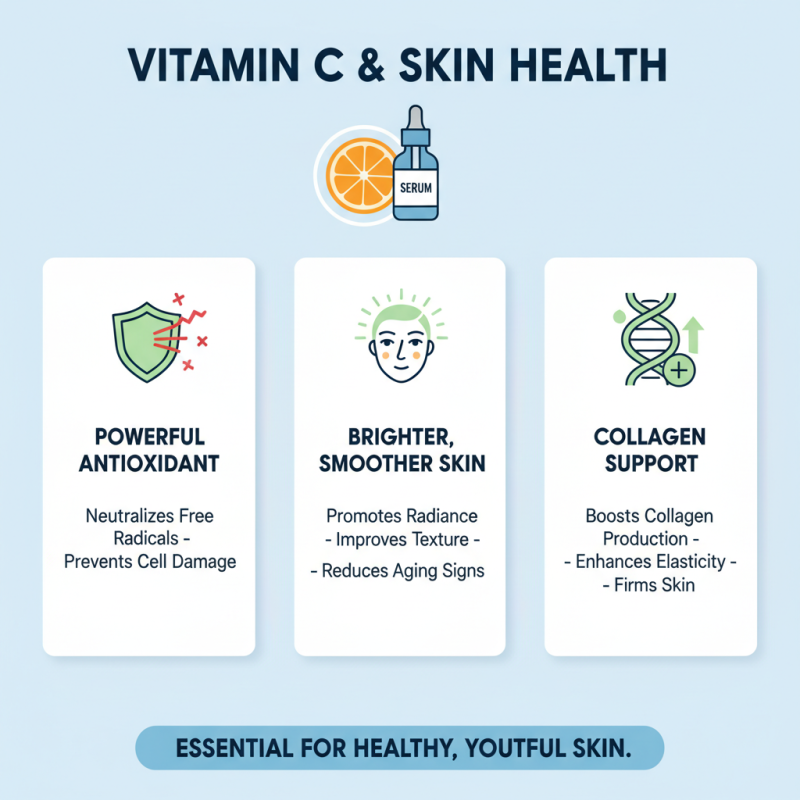
Vitamin C is a powerful antioxidant that plays a crucial role in skin health. It helps to neutralize free radicals, which can damage skin cells. This damage often leads to premature aging and skin disorders. Incorporating Vitamin C into your skincare routine can promote a brighter complexion and improve skin texture. It also supports collagen production, essential for maintaining skin elasticity.
Using Vitamin C coated supplements can enhance the absorption of this vital nutrient. The coating protects the Vitamin C from degradation, ensuring potency until consumption. Regular intake can lead to reduced pigmentation and improved skin tone. However, not all supplements are created equal. Some may offer lower bioavailability, making them less effective. It's important to choose quality products, ideally with third-party testing.
Despite these benefits, some people may experience mild irritation. This is often temporary, but it highlights the need for personalized approaches. Always start with a lower dose and observe how your skin reacts. The journey to optimal skin health with Vitamin C requires patience and experimentation. Each person's needs differ, and finding what works best for your skin is essential.
Benefits of Vitamin C Coated Supplements for Skin Nourishment
Vitamin C coated supplements can offer significant benefits for skin nourishment. They help improve skin elasticity and reduce signs of aging. According to a 2021 study published in the Journal of Cosmetic Dermatology, topical and oral Vitamin C can enhance collagen synthesis by 200%. This leads to firmer, healthier skin.
Many people overlook the importance of consistency in supplementation. Regular intake can lead to visible improvements, yet some users may experience digestive discomfort. It’s crucial to monitor how your body reacts to any new supplement. Skin health does not solely rely on Vitamin C; a balanced diet is also vital.
Research indicates that Vitamin C plays a role in protecting against UV damage. A study in the American Journal of Clinical Nutrition highlights its ability to neutralize free radicals. While Vitamin C coated supplements can contribute to radiant skin, results may vary between individuals. Not everyone will achieve the same level of enhancement, as genetics and lifestyle habits also play a role.
Recommended Dosages for Effective Vitamin C Supplementation
Vitamin C is essential for skin health. It brightens your complexion and promotes collagen formation. Coated supplements provide better absorption. However, understanding the right dosage is crucial.
For effective supplementation, adults typically require 500 mg to 1000 mg of Vitamin C daily. This range supports skin repair and protects against environmental damage. It’s wise to consult a healthcare provider before starting. Everyone’s needs can differ based on diet and lifestyle.
Pay attention to side effects. Excessive dosages may lead to gastrointestinal issues. It's better to start with a lower dose and gradually increase. Monitoring your body’s response is key. Timing of intake matters, too. Taking it with meals may enhance absorption.
How to Use Vitamin C Coated Supplements for Optimal Skin Health?
| Supplement Form |
Recommended Dosage (mg) |
Primary Benefits |
Best Time to Take |
| Vitamin C Tablets |
500 - 1000 mg |
Boosts collagen production, reduces wrinkles |
With meals |
| Vitamin C Powder |
1000 - 2000 mg |
Enhances skin brightness, reduces pigmentation |
In the morning |
| Vitamin C Chewables |
500 mg |
Easy absorption, supports skin hydration |
Anytime |
| Vitamin C Capsules |
500 - 1000 mg |
Supports immune function, reduces skin inflammation |
With meals |
Potential Side Effects and Precautions for Vitamin C Intake
Vitamin C is essential for skin health, but it’s vital to be cautious about its use. Supplements coated with Vitamin C can help with absorption. However, potential side effects exist. Some people may experience digestive discomfort, such as bloating or cramps. Skin reactions, though rare, can also occur. It’s essential to monitor your body's response after starting these supplements.
Tips for Healthy Use: Start with a low dose and gradually increase it. This approach helps your body adjust and minimizes adverse effects. Always consult a healthcare professional before beginning any new supplement regimen. Individual needs vary greatly. Keep track of how you feel after each dose. Noting positive or negative reactions can guide future intake.
Sensitivity to Vitamin C can occur, particularly at higher doses. Those with certain skin conditions or allergies should be more cautious. If you notice redness or irritation, reconsider your dosage. Remember, the goal is to enhance skin health, not compromise it. Balancing Vitamin C intake is crucial for optimal benefits without unwanted side effects.
Combining Vitamin C Supplements with Other Skin Care Ingredients
Vitamin C is a powerful antioxidant known for its skin benefits. When combined with other ingredients, it can enhance overall skin health. For instance, Vitamin C works well with Vitamin E. Together, they protect skin from oxidative stress, which contributes to aging. A study in the Journal of Clinical and Aesthetic Dermatology notes that this combination can improve skin hydration and elasticity.
Using Vitamin C supplements with hyaluronic acid is another excellent choice. Hyaluronic acid retains moisture, making skin plump and youthful. Research suggests that this pairing can significantly reduce the appearance of fine lines. Applying topical Vitamin C while taking oral supplements may provide synergistic effects. Remember, consistency matters.
Tips: Ensure you're staying hydrated. Hydration can amplify the benefits of your vitamins. Additionally, start slowly with new combinations. Not everyone's skin reacts the same way. Monitor any changes closely. If you experience irritation, reassess your regimen. Finding the right combination for your unique skin may take time. Be patient and reflective in your approach to achieving optimal skin health.
How to Use Vitamin C Coated Supplements for Optimal Skin Health?
This chart illustrates the benefits of combining Vitamin C supplements with various skin care ingredients. The scores represent the effectiveness of each ingredient in promoting skin health when used alongside Vitamin C.