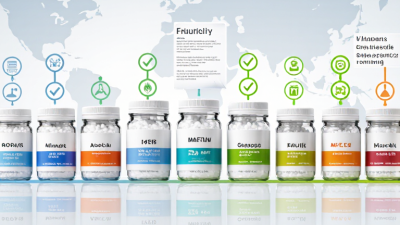
Global buyers entering the 2026 amino acid market need more than a low quotation. They need dependable Glutamic Acid suppliers, documented quality, and stable international logistics. Glutamic Acid supports food ingredients, fermentation, pharmaceuticals, cosmetics, and laboratory applications. Its commercial value depends on purity, production method, packaging, and intended use.
Market evidence shows continued expansion. Grand View Research’s Amino Acids Market Size, Share & Trends Analysis Report, 2024–2030, identifies rising demand from food, nutrition, and pharmaceutical applications. IMARC Group’s Amino Acids Market report also links growth with expanding processed-food production and health-focused consumption. These reports provide useful direction, but forecasts are not promises. Regional demand can shift quickly.
Quality details matter. A reliable supplier should provide a current certificate of analysis, specification sheet, safety data sheet, batch traceability, and clear origin information. Buyers should verify assay results, moisture levels, heavy-metal limits, microbiological controls, and packaging performance. A clean 25-kilogram bag means little if the batch record is missing.
Supplier experience matters too. Export history, technical response time, loading capacity, and experience with destination-country requirements can prevent costly delays. Some online listings remain vague. That is a warning sign.
This guide compares leading 2026 Glutamic Acid suppliers through practical criteria, including product consistency, certifications, production scale, documentation, pricing transparency, and delivery reliability. It also recognizes an uncomfortable reality: the cheapest offer may create the highest total cost. Forecasts change. Standards evolve. Careful verification remains essential.
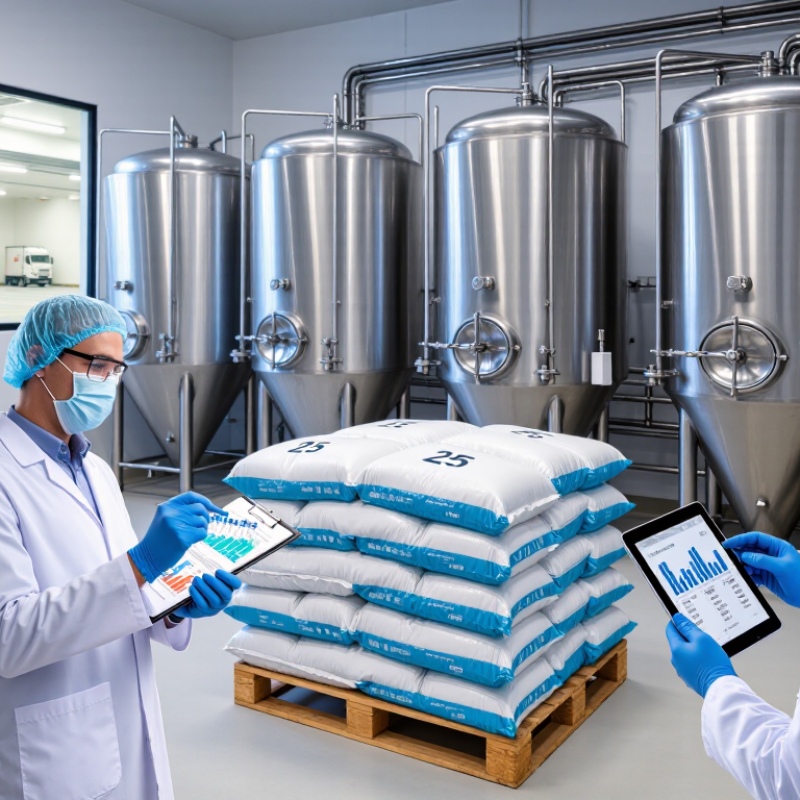
Glutamic acid is a naturally occurring amino acid found in proteins, vegetables, and fermented foods. It is classified as non-essential because the human body can produce it. Still, it supports nitrogen metabolism and serves as a precursor for several important biochemical compounds. Its commercial value extends beyond nutrition. Manufacturers use it in food ingredients, pharmaceutical intermediates, biotechnology, and specialty formulations.
The distinction matters in global trade. Glutamic acid is not the same product as monosodium glutamate, although both are closely connected through industrial processing. Grand View Research estimates that the global amino acids market reached about USD 27.9 billion in 2023. That figure covers many amino acids, not glutamic acid alone. Buyers should avoid treating broad market data as a direct demand forecast.
Quality begins with documentation.
A serious supplier should provide assay results, moisture content, residue data, heavy-metal testing, microbiological limits, and batch traceability. Packaging also matters. A moisture-resistant inner liner can protect powder during long sea transit. UN Comtrade statistics may group related amino acids under broader customs categories, which makes trade comparisons imperfect. That limitation deserves attention.
The FAO/WHO/UNU amino-acid requirements report remains a useful scientific reference. EFSA opinions also help buyers understand food-use evaluations in regulated markets. Yet supplier claims still require verification. A certificate is evidence, not a guarantee. Independent testing may reveal differences between advertised purity and delivered material. Regional specifications, labeling rules, and import documents should be checked before purchase. Small omissions can create expensive delays.
For global buyers, supplier quality begins with a clear specification, not a polished sales presentation. Compare the product with the current Food Chemicals Codex and FAO/WHO JECFA monographs.
Assay should be reported on a defined basis, such as dried weight. Many commercial food-grade specifications target about 98.5–101.5% glutamic acid. Confirm the exact method, calculation, and uncertainty.
“High purity” is too vague.
Review each batch’s certificate of analysis before approval. It should show identification, assay, loss on drying, pH, optical rotation, heavy metals, and microbiological results where relevant.
Ask for test methods, laboratory accreditation, and sample retention practices. ISO 9001 supports process control, while FSSC 22000 or ISO 22000 provides stronger food-safety evidence.
Certification alone is not enough. Scope matters.
Traceability should reach the raw-material lot and production date. Request two or three recent CoAs, not one perfect document. Check whether results remain consistent across seasons and factories.
The 2023 ISO Survey recorded more than 1.26 million ISO 9001 certificates worldwide, showing broad adoption, but not guaranteed product quality. That distinction is important.
I would also audit packaging integrity, moisture protection, and transport records. Glutamic acid can cake after poor storage.
One weakness remains: supplier documents may describe routine testing without proving every shipment received independent verification. A risk-based audit and confirmatory laboratory test are still sensible.
Choosing the best glutamic acid suppliers in 2026 requires more than comparing quoted prices. Global buyers should match the material grade with its intended use, such as food processing, laboratory work, or industrial production. Request a current specification sheet, certificate of analysis, allergen statement, and safety documentation. Check whether test methods are clearly identified. Vague paperwork is a warning sign.
Reliable suppliers can explain batch traceability from production to shipment. Ask for sample testing before placing a large order. Examine appearance, particle size, purity, moisture, and packaging condition. A sealed inner liner and dry outer carton matter during long ocean transport. Confirm production capacity, minimum order quantity, lead time, port options, and storage conditions. Delivery promises should include realistic customs delays.
Price still matters, but it should not dominate the decision. Compare the full landed cost, including freight, insurance, inspection, duties, and possible rejection losses. Review audit records or arrange a qualified third-party inspection when the order is significant. Communication quality also reveals operational strength. Do they answer technical questions with evidence?
A practical scorecard helps, though it is not perfect. Weight quality consistency, documentation, delivery history, technical support, and commercial terms separately. Recheck the score after receiving the first shipment. One overlooked detail can change the supplier ranking. Decisions improve when assumptions are tested, not merely repeated.
2026 Best Glutamic Acid Suppliers for Global Buyers?
Global buyers should assess glutamic acid suppliers through documentation, production consistency, and delivery performance. Request recent certificates of analysis, assay results, moisture levels, particle size, and contaminant testing. A reliable supplier should explain its manufacturing process and provide traceable batch records. Sample testing remains essential, even when specifications look acceptable on paper. Small differences in color, solubility, or odor may affect downstream processing.
Pricing depends on purity, order volume, packaging, freight, and payment terms. Compare quotations using the same Incoterm and delivery destination. A low factory price may become expensive after insurance, port fees, customs handling, and inland transport. Confirm minimum order quantities and realistic lead times. Some suppliers offer attractive prices but struggle during seasonal demand. No forecast is perfect. Keep at least one qualified alternative source, especially when importing from distant regions.
Tips: Ask for three commercial samples and test them under identical conditions. Check whether packaging protects the material during humid ocean transport. Review supplier audit records, but do not rely on paperwork alone. A short video call with the production and quality teams can reveal practical details. Also, negotiate a written procedure for handling rejected batches, delayed shipments, or specification changes. Steady communication often matters as much as the initial price.
Global sourcing, pricing, and supply-chain planning benchmark for bulk L-glutamic acid procurement. The lead-time figures are practical planning ranges for standard ocean-freight shipments and should be verified against the supplier’s quotation, production schedule, customs requirements, and destination port.
Planning reference: estimated total calendar days from purchase-order confirmation to delivery at the destination port, including production preparation, export documentation, ocean transit, and normal customs handling. Actual timing varies by order volume, Incoterms, seasonality, port congestion, and regulatory review.
Choosing a glutamic acid supplier in 2026 requires more than comparing prices. Grand View Research valued the global amino acids market at about USD 29.28 billion in 2023, with projected growth through 2030. That expansion attracts new producers. It also increases verification risks.
Ask where the raw material comes from. Request the latest certificate of analysis for assay, moisture, heavy metals, and microbiological limits. Can the supplier provide batch-level traceability? Are production records available for an independent audit? Codex lists glutamic acid as INS 620, while JECFA specifications emphasize identity and purity controls. Confirm the material matches your intended food, feed, or technical application. Do not accept one generic specification.
Tips: Compare three recent batches, not one. Check whether test methods follow recognized standards. Ask about minimum order quantities, monthly capacity, lead times, packaging protection, and emergency allocation. Also review storage conditions. A low quotation may hide costly delays.
A reliable supplier should explain its quality system clearly. Request ISO 22000 or equivalent food-safety documentation when relevant. Verify export documents, allergen statements, change-notification procedures, and complaint response times. Ask what happens when a batch fails. The answer matters more than a polished brochure. Procurement teams sometimes overlook this uncomfortable question. I would not. Forecasts can be wrong, and supply plans need realistic backup options.
| Evaluation Dimension | Essential Question to Ask the Supplier | Relevant Technical or Commercial Data | Evidence to Request | Suggested Weight | Buyer Assessment |
|---|---|---|---|---|---|
| Chemical Identity | Can you confirm the exact chemical identity, stereochemistry, and intended grade? | L-Glutamic acid; CAS No. 56-86-0; molecular formula C5H9NO4; relative molecular mass approximately 147.13 g/mol. Confirm whether the product is L-glutamic acid rather than a different isomer or mixture. | Current specification sheet, Safety Data Sheet, Certificate of Analysis (CoA), and product label artwork. | 12% | ☐ Pass ☐ Review ☐ Fail |
| Application and Grade | Is the material suitable for food, pharmaceutical, laboratory, animal nutrition, or industrial use? | Food, pharmaceutical, and technical grades have different purity, contaminant, documentation, and manufacturing requirements. The buyer should match the grade to the final application and destination-market rules. | Grade-specific technical data sheet, intended-use statement, regulatory declaration, and application references without undisclosed claims. | 10% | ☐ Pass ☐ Review ☐ Fail |
| Assay and Purity | What assay value is guaranteed, and which analytical method is used? | A commercial specification should state a minimum assay, test method, sample preparation, and acceptance criteria. Do not compare assay results unless the methods and moisture basis are equivalent. | Recent batch CoAs, method references, laboratory accreditation details, and a retained-sample testing policy. | 12% | ☐ Pass ☐ Review ☐ Fail |
| Physical Form | Can you provide consistent particle size, appearance, and packaging format? | Confirm powder or crystalline form, color, odor, particle-size distribution, bulk density where relevant, and compatibility with the buyer’s dosing or blending process. | Physical specification, particle-size test results, representative sample, and packaging photographs. | 8% | ☐ Pass ☐ Review ☐ Fail |
| Contaminant Control | Which limits apply to heavy metals, microbiology, residual solvents, and other contaminants? | Limits must be defined according to the product grade and importing-market requirements. Typical review areas include lead, arsenic, cadmium, mercury, total plate count, yeast and mold, pathogens, and residual processing substances where applicable. | Contaminant specification, recent test reports, risk assessment, allergen statement, and non-GMO or irradiation statement when required. | 14% | ☐ Pass ☐ Review ☐ Fail |
| Quality Management System | Which independent certifications and quality controls are currently valid? | Depending on the application, relevant systems may include ISO 9001, ISO 22000, FSSC 22000, HACCP, GMP, or pharmaceutical-quality controls. Certification scope must cover the manufacturing site and product category. | Current certificates, scope statements, expiry dates, audit summaries, change-control procedure, deviation procedure, and CAPA records. | 12% | ☐ Pass ☐ Review ☐ Fail |
| Traceability and CoA Reliability | Can every shipment be traced from raw materials to the finished batch? | A robust system should link batch number, production date, raw-material records, test results, packaging records, and shipment documents. CoA values should correspond to the actual shipped batch. | Mock traceability exercise, batch coding explanation, CoA sample, recall procedure, and independent laboratory verification option. | 10% | ☐ Pass ☐ Review ☐ Fail |
| Supply Capacity | What are your standard monthly capacity, allocation policy, and peak-season lead times? | Evaluate confirmed production capacity, minimum order quantity, standard lead time, safety-stock options, production continuity, and contingency arrangements. Capacity claims should be supported by shipment history or production records. | Capacity statement, historical on-time delivery data, lead-time schedule, business-continuity plan, and allocation terms. | 8% | ☐ Pass ☐ Review ☐ Fail |
| Packaging and Shelf Life | How is glutamic acid protected from moisture, contamination, and damage during international transport? | Confirm inner liner, outer bag or drum, net weight, pallet configuration, storage temperature and humidity guidance, shelf life, lot marking, and tamper evidence where needed. | Packaging specification, stability or shelf-life support, storage instructions, loading photographs, and transport damage procedure. | 7% | ☐ Pass ☐ Review ☐ Fail |
| Export and Regulatory Documents | Can you supply all documents required for customs clearance and local registration? | Potential documents include commercial invoice, packing list, certificate of origin, transport documents, SDS, CoA, product specification, and any destination-specific food, chemical, or pharmaceutical declarations. | Document checklist for the destination country, sample shipping set, HS-code proposal subject to buyer verification, and document turnaround time. | 7% | ☐ Pass ☐ Review ☐ Fail |
| Pricing and Total Landed Cost | What is included in the quoted price, and how will price changes be communicated? | Compare product price, packaging, inland transport, freight, insurance, duties, testing, payment terms, currency exposure, and demurrage risk. A lower unit price may not produce the lowest landed cost. | Formal quotation with Incoterms® 2020 rule, validity period, MOQ, payment terms, freight assumptions, surcharge policy, and price-adjustment clause. | 10% | ☐ Pass ☐ Review ☐ Fail |
| Samples and Qualification | Will you provide representative samples and support a documented qualification process? | The sample should represent normal production, include a batch number, and be tested against the agreed specification before commercial approval. | Sample CoA, sample retention policy, pre-shipment inspection option, trial-order terms, and written acceptance criteria. | 5% | ☐ Pass ☐ Review ☐ Fail |
| Technical Support and Claims | Who handles technical questions, complaints, nonconformities, and product changes? | A qualified supplier should define response times, complaint investigation steps, corrective-action communication, advance-change notification, and escalation contacts. | Quality agreement, complaint form, escalation matrix, change-notification procedure, and service-level commitments. | 5% | ☐ Pass ☐ Review ☐ Fail |
| Total Evaluation Weight | 100% | Final Score: ____ / 100 | |||
0086-15628869272