In recent years, the public's interest in nutrition has soared, particularly regarding amino acids like glutamic acid. This compound plays a pivotal role in many biological processes, making it essential for overall health. Glutamic acid is not only a building block of proteins but also acts as a neurotransmitter in the brain. Its unique properties allow it to enhance cognitive functions and support muscle recovery.
Research shows that incorporating glutamic acid into your diet can lead to significant health benefits. It may improve digestion and boost immune function. However, understanding its proper usage is crucial for achieving these benefits. Many people might overlook the importance of dosage and timing. Overconsumption can lead to imbalances, raising questions about the effectiveness of supplementation.
An individualized approach to integrating glutamic acid into your routine is vital. Each person's body reacts differently, and a one-size-fits-all solution rarely works. Listening to your body and consulting health professionals can lead to better outcomes. Therefore, learning about glutamic acid and its implications for health is more than just a trend. It demands careful consideration and a willingness to adapt for true enhancement of well-being.

Glutamic acid is an amino acid that plays a crucial role in metabolism. It acts as a neurotransmitter, helping to transmit signals in the nervous system. This function is vital for cognitive processes and overall brain health. Glutamic acid is naturally found in many foods, including meat, fish, dairy products, and some vegetables.
People often overlook glutamic acid's importance. While it supports energy production and muscle recovery, some individuals may not consume enough of it. This deficiency can lead to fatigue and difficulty concentrating. Including foods rich in glutamic acid might enhance mental clarity and physical stamina.
Research shows potential benefits of glutamic acid supplementation. Some athletes use it for better performance. However, it’s essential to approach supplementation wisely. Not everyone needs added glutamic acid. Consulting with a healthcare professional can guide personal health choices, ensuring the best outcomes.
| Health Benefits | Function | Sources | Recommended Dosage |
|---|---|---|---|
| Improves Digestion | Stimulates gastrointestinal motility | Meat, fish, eggs, dairy | 2-5 grams per day |
| Supports Immune Function | Enhances immune response | Soy products, beans, nuts | 1-3 grams per day |
| Enhances Athletic Performance | Aids in protein synthesis | Animal protein, supplements | 5-10 grams before workouts |
| Helps in Neurotransmitter Regulation | Precursor for neurotransmitters like glutamate | Vegetables, mushrooms | 1-2 grams per day |
| Reduces Fatigue | Increases energy levels | Fish, meat, poultry | 3-5 grams per day |
Glutamic acid is an amino acid that plays a crucial role in brain health. It acts as a neurotransmitter, enhancing cognitive functions. Studies show that adequate glutamate levels can improve memory and learning ability. Individuals seeking to boost their mental performance may find this beneficial. However, it’s important to balance glutamic acid intake to prevent any potential side effects.
Tips to incorporate glutamic acid into your diet: include consuming foods rich in protein. Meat, fish, eggs, and dairy products are excellent sources. Additionally, vegetables like spinach and tomatoes also contain glutamic acid. Aim for a balanced diet to optimize your health benefits. Monitor your body’s response to these foods. Overconsumption might lead to unintended issues.
While glutamic acid is widely recognized for its health benefits, some individuals may experience sensitivity. Symptoms like headaches or digestive discomfort can arise in rare cases. It’s essential to pay attention to your body's signals. If you notice any negative reactions, reconsider your dietary choices. Always seek guidance from a healthcare professional for personalized advice.
When considering glutamic acid for health benefits, understanding its recommended dosages is essential. For most adults, 500 mg to 1,000 mg per day is a common suggestion. This range is typically safe and effective for improving brain function and digestion. However, individual needs can vary. It's wise to start with a lower dosage and monitor your body's response.
Tips: Always consult a healthcare provider before starting any supplements. Personalized recommendations based on your health history are valuable. You may discover that adjusting the dosage can lead to better outcomes.
As with any supplement, it's crucial to assess the quality of your intake. Ensure that the sources are reliable and free from harmful additives. Dosage may be influenced by factors such as age, weight, and activity level. Keeping a journal of your experiences will help identify what works best for you. Don't hesitate to reflect on any side effects or unexpected changes.
Healthy habits often complement glutamic acid's benefits. Increasing hydration and maintaining a balanced diet can enhance its effects. A holistic approach may yield better results than relying solely on supplementation.
This chart shows the recommended daily dosages of glutamic acid for different age groups, highlighting the varying needs for enhanced health benefits.
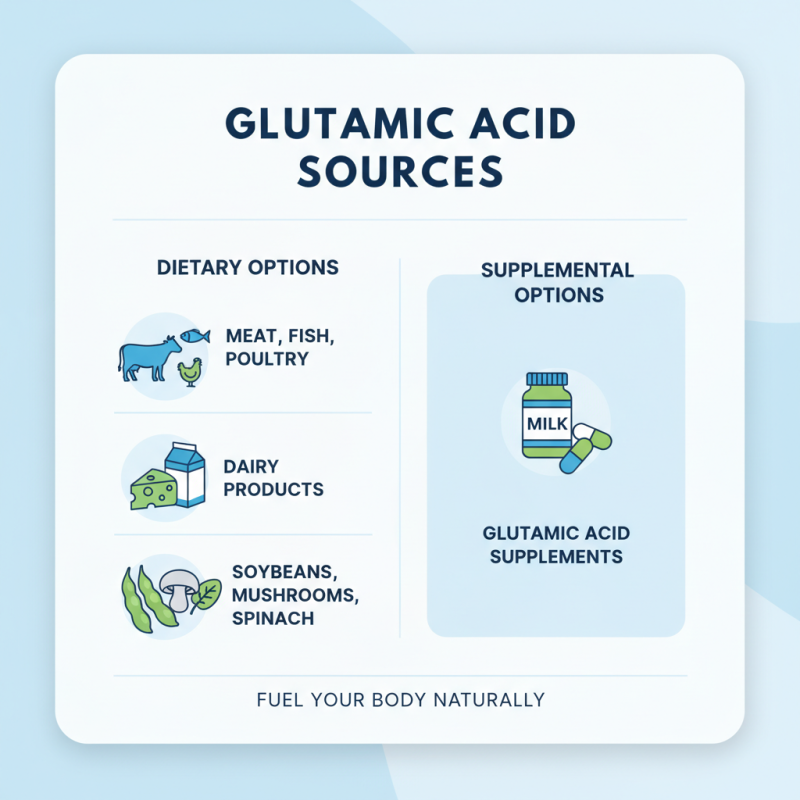
Glutamic acid is an amino acid vital for many bodily functions. You can find it naturally in various foods. Meat, fish, and dairy products contain significant amounts. Plant sources include soybeans, mushrooms, and spinach. These foods offer a flavorful way to increase your glutamic acid intake.
In addition to dietary sources, supplements are available. They come in powder or capsule forms. Before starting any new supplement, consulting a healthcare professional is essential. This step ensures the supplement fits your individual needs. Some people may experience digestive discomfort or other side effects. Listening to your body is crucial when experimenting with new options.
Ultimately, balancing your diet with natural sources may be the safest approach. Whole foods provide not only glutamic acid but also other essential nutrients. Reflecting on your eating habits can guide you toward healthier choices. A diverse diet will support overall well-being and contribute to enhanced health benefits.
Glutamic acid is often touted for its many health benefits. However, supplementation can come with potential risks and side effects that are essential to consider. Individuals may experience headaches, digestive issues, or even allergic reactions. It is crucial to monitor your body's response when starting any new supplement.
Tips for using glutamic acid safely: Start with a low dose. This approach allows your body to adjust while minimizing risks. Gradually increase the dosage if you tolerate it well. Always consult a healthcare professional before making any significant changes to your supplementation routine.
Some people may experience more severe side effects. This includes anxiety or an exacerbation of asthma symptoms. Each person's response can vary significantly. Consider keeping a journal to track any changes you feel. This practice not only helps you understand your body better but also provides useful information for discussions with your doctor. Being aware of these potential issues is key to safely enjoying the benefits of glutamic acid.
0086-15628869272