Neomycin Sulfate Best Uses and Benefits for Global Buyers?
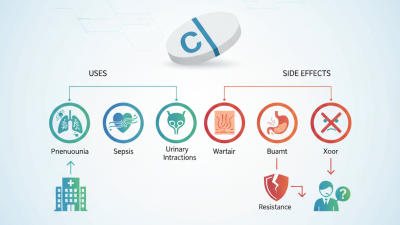
Neomycin Sulfate is a widely recognized antibiotic, primarily used for its effective antibacterial properties. This medication has gained popularity globally due to its versatility in treating various infections. Many buyers seek Neomycin Sulfate for its broad-spectrum effectiveness, particularly in topical applications. The medication is renowned for combating gram-negative bacteria, which are often resistant to other antibiotics.
Healthcare professionals frequently recommend Neomycin Sulfate for skin infections and surgical procedures. Its role in preventing infections during surgeries makes it a vital tool in medical settings. However, users must be aware of its potential side effects and allergic reactions. With that said, the benefits often outweigh the risks when used appropriately.
As global demand rises, understanding Neomycin Sulfate's best uses becomes crucial for buyers. Exploring its applications not only aids in informed decision-making but also fosters responsible use. Selecting a reliable source for Neomycin Sulfate ensures quality and safety. Awareness and education surrounding this antibiotic can enhance its effectiveness in treating infections.
Neomycin Sulfate: Overview of Its Composition and Mechanism of Action
Neomycin sulfate is a valuable antibiotic used widely in medicine. Its composition mainly includes neomycin, a type of aminoglycoside. This compound targets bacterial infections effectively. It works by inhibiting protein synthesis in bacteria. As a result, bacterial growth is halted, allowing the immune system to eliminate the pathogens.
The mechanism of action relies on its ability to bind to the 30S ribosomal subunit. This binding prevents the proper formation of bacterial proteins. Without these proteins, bacteria cannot multiply. Additionally, neomycin is applied topically for wound infections. Its effectiveness in these formulations demonstrates its versatility.
Despite its benefits, there are concerns with neomycin sulfate use. Some patients may experience allergic reactions. It's important to monitor for side effects, especially in sensitive individuals. Misuse can also lead to resistance. This risk underscores the need for careful management when using this antibiotic. Understanding its action and limitations can help in making informed decisions.
Common Medical Applications of Neomycin Sulfate in Treatment Protocols
Neomycin sulfate is a widely used antibiotic that plays a crucial role in treating various infections. Its medical applications span several areas, primarily in topical ointments and creams. Doctors often prescribe neomycin for skin infections caused by bacteria. It provides effective treatment for conditions like impetigo and minor cuts or burns. Due to its potent antibacterial properties, it helps prevent infection in wounds and offers relief from discomfort.
In addition to topical applications, neomycin sulfate is also administered orally in some cases. It is commonly used to prepare patients for surgical procedures involving the gastrointestinal tract. By reducing bacteria levels, it helps prevent postoperative infections. While effective, the use of neomycin has raised concerns regarding potential side effects, particularly nephrotoxicity. Patients and healthcare professionals should weigh the benefits against risks. Monitoring kidney function during treatment is vital, especially in those with pre-existing conditions.
For those looking to incorporate neomycin sulfate in treatment protocols, understanding its applications is essential. Awareness of its limitations and potential side effects can lead to better patient outcomes. Responsible use and adherence to medical guidelines are crucial for utilization in both clinical and home settings.
Regulatory Standards and Safety Concerns Associated with Neomycin Sulfate
Neomycin sulfate is often utilized in various medical applications, particularly for its antibiotic properties. However, regulatory standards surrounding its use are crucial for ensuring safety. Different countries have established guidelines governing its use in pharmaceuticals and veterinary medicine. These guidelines ensure that neomycin sulfate is effective while minimizing potential side effects. Buyers must be aware of these standards before making any purchases.
Safety concerns are significant with neomycin sulfate. It can cause allergic reactions in some individuals, leading to rashes or more severe complications. Additionally, improper usage can disrupt the natural flora in the body. Monitoring the dosage is essential to mitigate risks. For this reason, health professionals often caution against self-medication. Always consult with a healthcare provider to understand the appropriate application and any risks involved.
The sourcing of neomycin sulfate also comes under scrutiny. Buyers should ensure they procure this compound from reputable sources that adhere to regulatory standards. Quality assurance processes add a layer of reliability, reducing the risk of contamination. Transparency in sourcing can help buyers make informed decisions, ensuring they prioritize safety and efficacy.
Market Demand and Economic Impact of Neomycin Sulfate in Pharmaceuticals
Neomycin sulfate is increasingly in demand within the pharmaceutical industry. According to a recent market analysis, the global neomycin sulfate market is projected to grow at a CAGR of 5% over the next five years. This growth can be attributed to its vital role in treating bacterial infections and its applications in topical formulations. Several studies indicate that effective management of infections enhances recovery rates, thus playing a crucial role in healthcare.
Healthcare professionals and manufacturers emphasize the need for high-quality neomycin sulfate. Current data show that over 70% of pharmaceutical companies prioritize sourcing from reputable suppliers. This trend highlights the importance of reliability in production to meet rigorous safety standards. There is still room for improvement in the supply chain. Some producers struggle with quality control, impacting the overall efficacy of their products.
Research indicates that market fluctuations can affect availability. This uncertainty underscores the importance of strategic planning for buyers. Continuous engagement with suppliers can help mitigate risks. Healthcare providers are encouraged to stay informed about market trends. Developing robust relationships with trusted manufacturers is key to ensuring a steady supply.
Future Prospects and Innovations in Neomycin Sulfate Usage and Development
The landscape of Neomycin Sulfate application is evolving rapidly. Innovations in formulation are making it more effective as an antibiotic. Researchers are exploring its potential in treating various bacterial infections. With an increase in drug-resistant bacteria globally, Neomycin offers a unique pathway in combating these challenges. By enhancing its efficacy and reducing side effects, new formulations are setting the stage for future use.
Development in delivery methods is another exciting area. Nanotechnology is being harnessed to improve the absorption of Neomycin, targeting infections more efficiently. Such advancements could lead to lower doses being administered. However, this raises questions about the long-term impact on bacterial ecosystems. Ethical considerations must guide the innovations in this field.
Future prospects may also include combining Neomycin with other therapeutic agents. This could create a synergistic effect, enhancing its overall effectiveness. Yet, collaboration among researchers, healthcare professionals, and regulatory bodies is crucial. Open dialogue will help navigate the complexities of these innovations, ensuring safety and effectiveness in clinical settings.