What is Tylosin Tartrate and Its Uses in Animal Health?
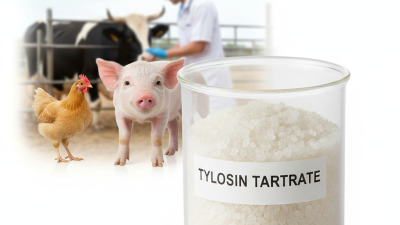
Tylosin Tartrate is a vital antibiotic used in animal health. It plays a significant role in treating infections in livestock. Dr. Jane Thompson, a leading expert in veterinary medicine, notes, “Tylosin Tartrate enhances animal welfare and productivity.” Her insights affirm the drug's importance in modern animal care.
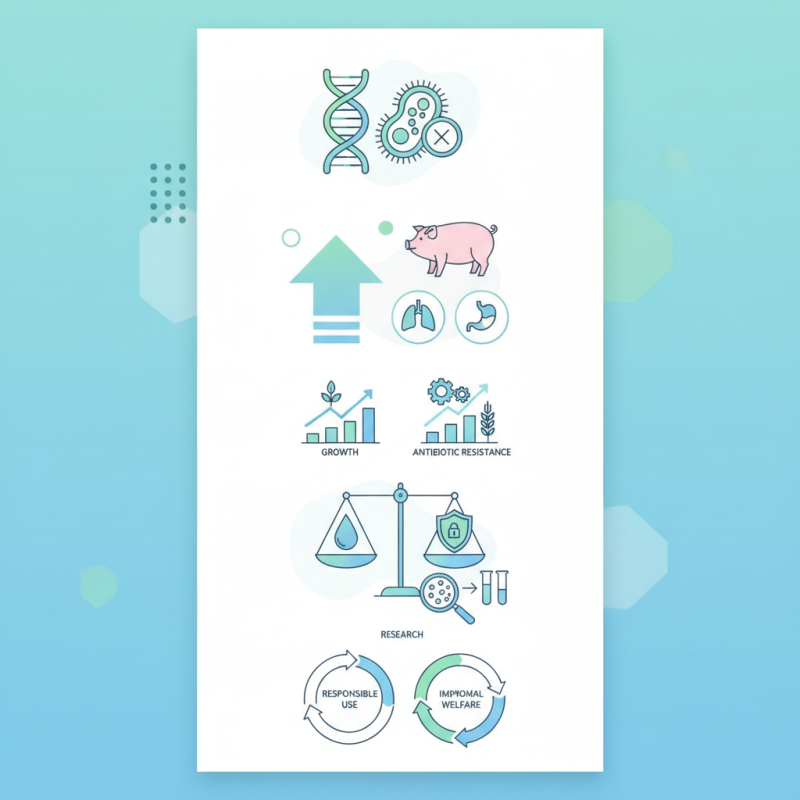
Tylosin Tartrate primarily combats bacterial infections in pigs and poultry. It is effective against respiratory and gastrointestinal pathogens. This antibiotic ensures animals recover quickly, allowing for better growth rates and improved feed efficiency. These factors contribute to farmers' overall productivity.
However, the use of Tylosin Tartrate is not without challenges. Antibiotic resistance remains a growing concern in veterinary practice. Therefore, its application must be carefully monitored. Practitioners must balance efficacy and the potential for resistance. Continuous research and responsible use are essential for maximizing the benefits of Tylosin Tartrate in animal health.
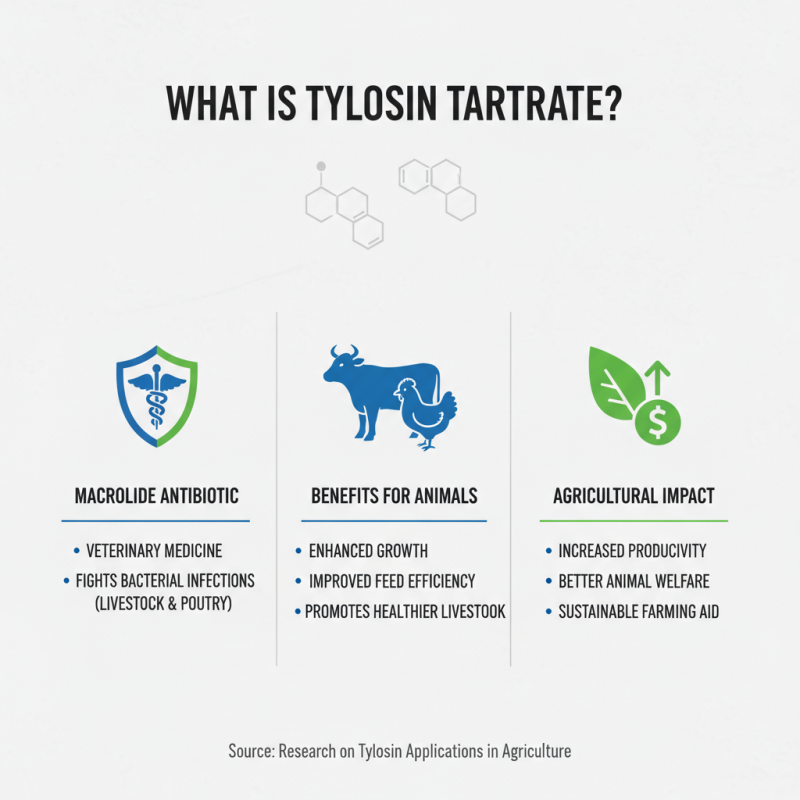
What is Tylosin Tartrate?
Tylosin Tartrate is a macrolide antibiotic commonly used in veterinary medicine. It is especially effective against certain bacterial infections in livestock and poultry. Research indicates that Tylosin can enhance growth performance and feed efficiency in animals. The use of Tylosin promotes healthier livestock, which can lead to increased productivity in agriculture.
According to the Animal Health Institute reports, Tylosin is widely administered to swine and chickens for disease prevention and treatment. Studies have shown that its application can reduce the incidence of respiratory diseases. This results in healthier animals and reduced mortality rates. However, there are concerns about antibiotic resistance that arise from its use.
Farmers and veterinarians must weigh the benefits against the potential risks. Responsible use is critical to maintaining animal health without compromising public health. Monitoring Tylosin's application is essential to ensure it remains an effective tool in animal health management. Data suggests that integrating alternative therapies may reinforce Tylosin’s effectiveness and improve overall animal welfare.
Chemical Composition and Properties of Tylosin Tartrate
Tylosin tartrate is an antibiotic belonging to the macrolide class. It is synthetically derived, primarily used in veterinary medicine. Tylosin acts on a variety of bacteria. It is effective against Gram-positive organisms and specific Gram-negative bacteria. The unique structure of tylosin enhances its ability to inhibit protein synthesis in bacteria, making it a valuable tool in animal health.
The chemical composition of tylosin tartrate is crucial to its functionality. Its molecular formula is C47H77N1O17, with a molecular weight of 916.1 g/mol. Tylosin consists of a sugar and aglycone portion. It is stable in alkaline conditions but degrades under extreme acidity. Studies indicate that tylosin tartrate has a solubility of over 1 g/L in water. This property ensures efficient absorption and therapeutic efficacy when administered to animals.
Data show that the correct dosage of tylosin tartrate can improve animal health outcomes. According to industry reports, proper usage reduces the incidence of respiratory and gastrointestinal diseases in livestock. However, overuse can lead to antibiotic resistance. Understanding the chemical properties and potential impacts of tylosin is essential for veterinarians. Continuous research is necessary to fully grasp its long-term effects on animal health and industry practices.
Mechanism of Action in Animal Health
Tylosin Tartrate is an important antibiotic used in animal health. It primarily targets Gram-positive bacteria and some strains of Gram-negative bacteria. This ability makes it effective against respiratory and gastrointestinal infections in livestock, including pigs and poultry. Administering Tylosin can help treat conditions like pneumonia and certain digestive disorders.
The mechanism of action involves inhibiting protein synthesis in bacteria. Tylosin binds to the 50S ribosomal subunit, disrupting the bacterial translation process. This results in impaired growth and eventual death of the harmful bacteria. Its effectiveness in promoting animal health often comes from its ability to maintain gut flora balance, reducing harmful bacteria without entirely eradicating beneficial species.
**Tip:** When using Tylosin, it’s crucial to follow prescribed dosages. Overuse can lead to antibiotic resistance, a growing concern in animal husbandry.
Veterinarians should monitor the health of the animals during treatment. Any signs of adverse reactions or lack of improvement must be addressed promptly. Ensuring proper administration methods can enhance its effectiveness and safeguard animal welfare.
**Tip:** Always consult a veterinary professional before starting any treatment. This ensures that the medication is suitable for the specific health needs of the animal.
What is Tylosin Tartrate and Its Uses in Animal Health? - Mechanism of Action in Animal Health
| Parameter |
Description |
| Chemical Class |
Macrolide Antibiotic |
| Primary Uses |
Treatment of infections in livestock and poultry |
| Mechanism of Action |
Inhibits bacterial protein synthesis |
| Common Species Treated |
Cattle, pigs, chickens |
| Administration Routes |
Oral, Parenteral |
| Withdrawal Period |
Variable, depending on species and usage |
| Side Effects |
Possible anaphylactic reactions, gastrointestinal disturbances |
Applications of Tylosin Tartrate in Livestock Management
Tylosin Tartrate is a macrolide antibiotic widely used in livestock management. It is particularly effective against certain bacterial infections in pigs and poultry. Farmers often rely on Tylosin Tartrate to promote growth and improve feed efficiency. This antibiotic helps reduce the incidence of diseases that can affect the overall health of livestock.
In swine production, Tylosin Tartrate plays a crucial role. It effectively treats respiratory infections and enteritis, allowing pigs to recover faster. This, in turn, ensures better quality meat and higher productivity on farms. Poultry management also benefits from Tylosin use. It aids in controlling infectious diseases like mycoplasmosis, enhancing overall flock health.
While Tylosin Tartrate offers many advantages, its use is not without risks. Over-reliance on antibiotics can lead to resistance. Farmers must consider the long-term impact on animal health and food safety. Implementing responsible use guidelines is essential. Monitoring livestock closely is key to understanding when antibiotics are genuinely necessary. This careful approach can optimize both livestock health and farm productivity.
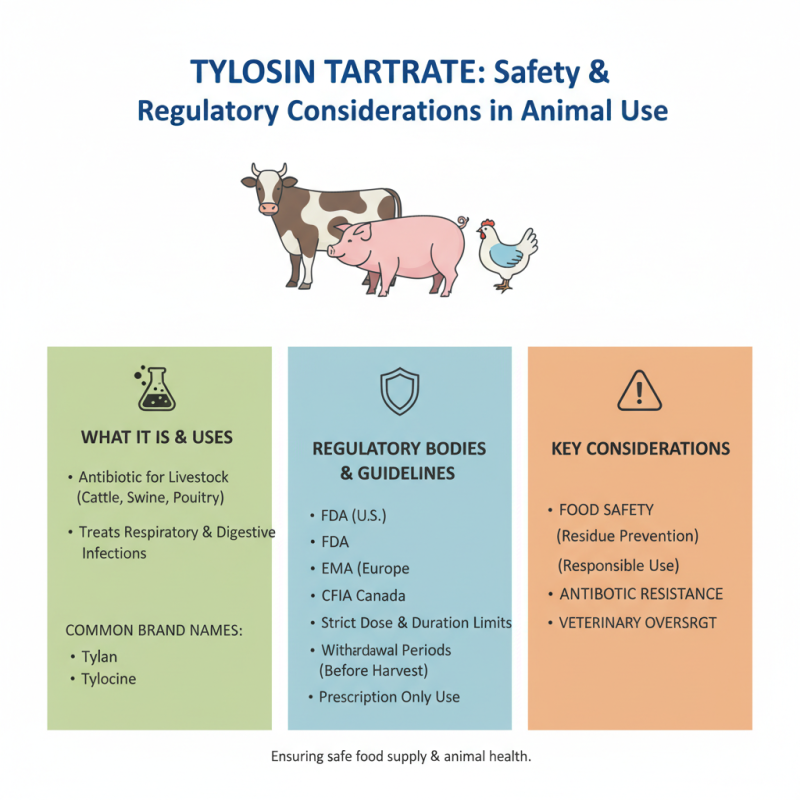
Safety and Regulatory Considerations in Animal Use
Tylosin tartrate is an antibiotic commonly used in animal health, particularly for livestock. While its applications in treating respiratory and digestive conditions are well known, safety and regulatory considerations should not be overlooked. Regulatory bodies, such as the FDA, enforce strict guidelines for the use of tylosin in animals. These rules ensure the safety of the food supply and animal welfare.
Studies indicate that tylosin is effective in reducing disease incidence and improving growth rates. However, there are concerns about antibiotic resistance. A report by the European Medicines Agency highlighted increasing resistance in certain bacterial strains linked to the use of tylosin. This raises questions about long-term effects.
**Tip:** Always use tylosin as directed by a veterinarian.
Monitoring residues in food products is crucial. Farmers should adhere to withdrawal periods before slaughtering treated animals. This practice helps maintain food safety. Some farmers may overlook these guidelines, which can lead to potential health risks.
**Tip:** Regularly review compliance guidelines.
Overall, while tylosin tartrate is valuable in animal health, understanding its implications is essential. Balancing its use with safety measures is vital for effective animal treatment.