

Top 10 Ethyl Oleate Suppliers for Global Buyers
Ethyl Oleate is a versatile fatty acid ester used in formulations, research, cosmetics, food-related applications, and industrial processes. Global buyers need more than a low quoted price. They need consistent quality, clear documentation, dependable packaging, and realistic delivery commitments.
This guide introduces ten Ethyl Oleate suppliers for international purchasing teams. Each supplier should be assessed through practical criteria, including product purity, specification control, batch traceability, certificates of analysis, safety data sheets, and container options. Buyers should also review production capacity, minimum order quantities, export experience, and communication speed. Small details matter. A damaged drum, unclear labeling, or delayed document can disrupt an entire shipment.
The selection approach combines supplier research with common procurement experience. It focuses on evidence rather than polished marketing language. Published specifications are useful, but recent batch records and independent verification provide stronger confidence. Buyers should request samples when appropriate and compare odor, appearance, assay results, and packaging condition before placing large orders. Regional regulations and application-specific requirements must also be checked carefully.
No ranking fits every purchasing situation. A supplier suited to bulk manufacturing may not serve a laboratory buyer well. Some information may change with capacity, pricing, or market conditions. That limitation deserves attention. Still, this overview offers a practical starting point for evaluating reputable Ethyl Oleate sources, reducing avoidable risks, and building a more reliable global supply strategy. Expect differences. Verify the details.
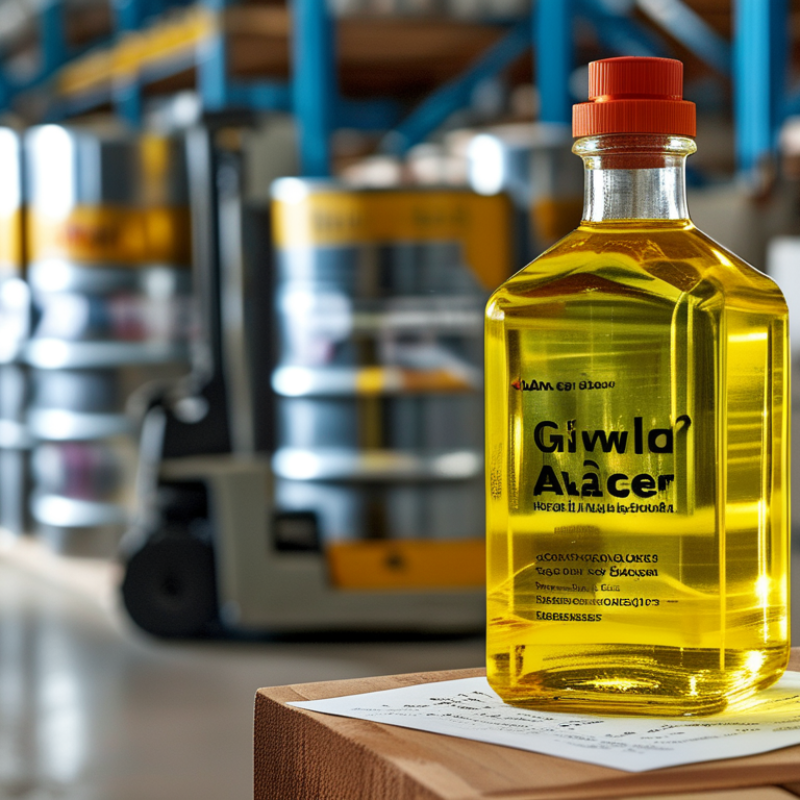
Ethyl Oleate: Uses, Properties, and Global Market Overview
Ethyl oleate is a clear to pale-yellow oily liquid with a mild fatty odor. Its molecular weight is 310.52 g/mol, and its CAS number is 111-62-6. It dissolves well in many organic solvents but has very low water solubility. These properties support its use in pharmaceutical formulations, cosmetics, fragrances, flavor systems, and specialty lubricants. In practical handling, buyers should inspect viscosity, acid value, color, moisture, and peroxide value. Small differences can affect stability.
Market demand follows several connected industries. Recent assessments from Grand View Research and IMARC place the broader fatty-acid-esters market in the low-single-digit billions of U.S. dollars, with mid-single-digit annual growth. These figures do not represent ethyl oleate alone. They still show the commercial direction. Asia-Pacific remains a major production and consumption center, while European and North American buyers often require stronger documentation. A certificate of analysis, traceability records, and consistent packaging matter during qualification.
Performance depends on feedstock quality and storage. Keep drums tightly closed, away from heat, light, and moisture. A cool warehouse helps limit oxidation. Global buyers should compare specification ranges, not only quoted prices. Supplier claims can look precise, yet testing methods may differ. That deserves scrutiny. Ethyl oleate is useful, but it is not automatically the best ester for every formulation. Final selection should follow application trials, compatibility testing, and applicable quality requirements.
Top 10 Ethyl Oleate Suppliers for Global Buyers - Ethyl Oleate: Uses, Properties, and Global Market Overview
An anonymized global sourcing guide based on common supplier channels, commercial specifications, applications, and buyer due-diligence requirements.
| Rank | Anonymous Supplier Profile | Typical Supply Region | Primary Buyer Segment | Common Commercial Specification | Main Uses | Documents Buyers Commonly Request | Typical Packaging |
|---|---|---|---|---|---|---|---|
| 01 | Large-volume ester producer | East and South Asia | Industrial chemicals, coatings, lubricants | Ethyl oleate, CAS 111-62-6; purity commonly buyer-specified at 98% or higher | Solvent, plasticizer component, lubricant additive | SDS, certificate of analysis, specification sheet, origin statement | Drums, intermediate bulk containers, bulk tankers |
| 02 | Oleochemical specialist | Southeast Asia | Personal care, home care, specialty formulations | Clear to pale-yellow liquid; low water and acid values are commonly specified | Emollient, carrier, spreading agent, formulation solvent | SDS, allergen statement, residual solvent data, batch analysis | HDPE drums, lined steel drums, IBCs |
| 03 | Pharmaceutical excipient supplier | Europe | Pharmaceutical and healthcare manufacturing | Documented grade with traceability, controlled impurities, and defined storage conditions | Topical and formulation research; specialty drug-delivery systems | GMP-related documentation, CoA, change-control policy, traceability records | Small containers, drums, or validated bulk packaging |
| 04 | Specialty solvent distributor | North America | Paints, inks, adhesives, laboratory users | CAS 111-62-6 with application-specific purity and color limits | Low-volatility solvent and organic-phase carrier | SDS under applicable local regulations, CoA, transport classification | Pails, drums, IBCs, and laboratory bottles |
| 05 | Bio-based oleochemical supplier | Latin America | Renewable chemicals and consumer products | Ester derived from oleic-acid feedstock; feedstock origin should be verified | Biobased solvents, emollients, lubricants, formulation aids | Feedstock declaration, sustainability evidence, CoA, SDS | Drums, IBCs, and bulk liquid shipments |
| 06 | Regional chemical manufacturer | South Asia | Textiles, agrochemical formulations, general industry | Routine industrial grade with agreed limits for purity, moisture, color, and acidity | Dispersing aid, solvent, wetting agent, process additive | CoA, SDS, batch number, shelf-life and storage statement | Steel or plastic drums and IBCs |
| 07 | Food and flavor ingredient channel | Europe and North America | Flavor, fragrance, and ingredient formulators | Food-contact or flavor-use suitability must be confirmed for the intended jurisdiction | Flavor and fragrance carrier; specialty ingredient research | Regulatory status, allergen statement, food-contact declaration, CoA | Food-grade drums, lined containers, or smaller packs |
| 08 | Lubricant and ester-blend supplier | East Asia | Industrial lubricants and metalworking fluids | Viscosity, oxidation stability, flash point, and water content are application-critical | Base fluid, lubricity additive, biodegradable ester component | Technical data sheet, test methods, CoA, compatibility data | Drums, IBCs, and bulk tank delivery |
| 09 | Laboratory and research-grade channel | Japan, South Korea, and global distribution hubs | Universities, analytical laboratories, and R&D teams | High-purity material with lot-specific analytical results | Reference material, formulation studies, analytical research | Lot-specific CoA, SDS, analytical method, retest or expiry information | Amber bottles, cans, or small laboratory containers |
| 10 | Global chemical trading channel | Multi-region inventory and import hubs | Buyers requiring flexible volumes and local logistics | Specification depends on the upstream producer; sample approval is recommended | General industrial, personal care, laboratory, and formulation use | Original-manufacturer CoA, SDS, country of origin, shipping documents | Local stock in drums, IBCs, or bulk containers |
Ethyl Oleate Reference Data
111-62-6
C20H38O2
310.52 g/mol
Colorless to pale-yellow oily liquid
Practically insoluble
Purity, acid value, moisture, color, odor, traceability, and storage stability
Related Posts
-

Exploring the Benefits of Ethyl Oleate in Skincare and Wellness Products
-
Is Ethyl Oleate the Best Choice for Global Buyers?
-

Exploring Global Opportunities for Ethyl Oleate at the 2025 Canton Fair: A Rising Trend in International Trade
-

How to Maximize the Benefits of Ethyl Oleate in Your Formulations
-

What are the Benefits and Uses of Ethyl Oleate?
-
Methyl Paraben Benefits and Uses Tips for Buyers?


