Ethyl Acetate is widely used in coatings, adhesives, printing inks, and other industrial applications. For global buyers, choosing a supplier involves more than comparing prices. Product consistency, available grades, packaging options, and dependable delivery all matter. A drum arriving late can disrupt a production schedule; a missing certificate can slow down receiving checks. Small details, real consequences.
This guide introduces ten suppliers for buyers to evaluate, not a fixed ranking or endorsement. Supplier availability and service areas can change, so confirm current information directly. Ask for a recent certificate of analysis, a safety data sheet, and clear specifications for the grade you need. Check whether the supplier can support your preferred shipment size, packaging, and destination. Details matter.
A useful comparison also looks at communication. Can the sales team answer technical questions clearly? Are lead times and documentation explained before an order is placed? These checks may seem basic, but they can reveal gaps that a polished website does not. Buyers should also review their own handling, storage, and quality requirements with qualified staff. No supplier list can make that assessment for you. Some suppliers may suit large-volume contracts, while others may be more practical for smaller orders or regional delivery. The best fit depends on your operation, not just a name on a list. Verify the facts, then decide.
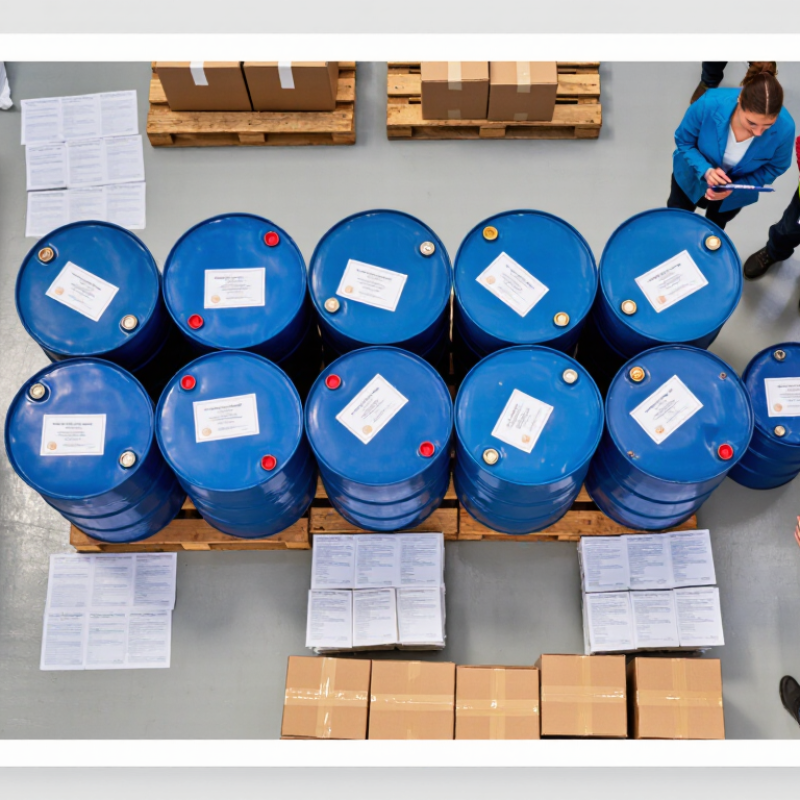
Ethyl acetate is a clear, fast-evaporating liquid with a mild, fruity odor. Its boiling point is about 77°C, helping it dry quickly in many processing conditions. It dissolves many resins and organic compounds, but only a limited amount mixes with water. That balance makes it useful. It is also highly flammable, so ventilation, suitable storage, and careful handling are essential.
Manufacturers use ethyl acetate in coatings, printing inks, adhesives, and selected extraction processes. In a coating line, quick evaporation can shorten drying time, though it may affect leveling and final appearance. Small differences in purity or moisture can influence performance. That detail is easy to overlook. Buyers should compare grade specifications, test methods, and batch documents instead of relying on broad product descriptions.
Global demand is linked to packaging, construction, and consumer goods activity. Supply can shift with feedstock costs, plant maintenance, and freight conditions. Market quotes vary by region and delivery terms; one price rarely tells the whole story. A practical review includes assay, water content, acidity, packaging, and safety data. Verify supplier claims against current documents and a representative sample. Even then, actual process results may differ.
Assessing ethyl acetate suppliers for international sourcing requires more than comparing quoted prices. Request a recent certificate of analysis for each batch, including purity, water content, acidity, and color. Check that sample results match the supplier’s stated specifications. NIST’s Chemistry WebBook gives ethyl acetate’s boiling point as about 77.1°C, a useful reference when reviewing storage and transport plans. Small details matter. Ask how containers are sealed, inspected, and traced from production to delivery; a polished specification sheet cannot prove consistent batch control.
For cross-border shipments, compare suppliers’ delivery records, documentation, and contingency plans—not just estimated transit time. The World Bank’s 2023 Logistics Performance Index evaluates 139 economies across six dimensions, including tracking and timeliness. Use those indicators to frame questions about the supplier’s shipping routes, port handoffs, and delay reporting, rather than treating a country score as a guarantee. Request a sample shipping document set and confirm that the safety data sheet, invoice, and packaging details agree. Independent testing can help verify a first shipment, especially when specifications are tight. It adds cost, of course, and no checklist removes every risk; buyers should also review complaint handling and ask what happens when a batch falls outside agreed limits.
The table below compares ten supplier types rather than naming or ranking individual companies. Use the checks to shortlist providers against your destination market, application, required grade, and shipment size.
| Supplier type | Potential sourcing advantage | Key checks before purchase | Documents to request | International sourcing considerations |
|---|---|---|---|---|
| Integrated ethyl acetate producer | May offer direct access to production information and larger-volume supply. | Confirm actual manufacturing site, available grades, production capacity, and whether the quoted material is produced there or resold. | Current specification, batch-specific certificate of analysis (CoA), safety data sheet (SDS), and manufacturing-site details. | Check export experience, loading options, lead time, port availability, and allocation arrangements during periods of tight supply. |
| Regional chemical manufacturer | May provide shorter transit routes or closer technical support in its principal market. | Verify the plant and origin of goods, batch consistency, quality controls, and ability to meet your destination-country requirements. | CoA, SDS in the required language, product specification, and applicable quality-system information. | Assess local import rules, customs classification, transport route, and whether the supplier can support your preferred Incoterms. |
| Specialty-solvent supplier | May provide multiple solvent grades, packaging formats, and application-focused product support. | Match the offered grade and impurity limits to your process; do not assume that “high purity” means suitable for every application. | Detailed specification, batch CoA, SDS, packaging details, and any application-specific compliance statements. | Confirm that the named seller is the manufacturer or an authorized distributor, and trace the material to its production source. |
| Authorized regional distributor | May offer local inventory, smaller order quantities, and in-market service. | Check authorization, stock location, product traceability, storage conditions, and the distributor’s process for handling complaints or recalls. | Manufacturer or distributor CoA, SDS, traceability details, and evidence of authorization where applicable. | Clarify whether the quoted lead time is for stocked goods or a future import; confirm local delivery charges and taxes separately. |
| Bulk chemical trader or merchant | May offer access to multiple origins, shipment sizes, or spot-market availability. | Identify the actual producer and country of origin; verify that samples and documents correspond to the same grade and source as the shipment. | Batch CoA, SDS, origin information, transport details, and a clear chain-of-custody record. | Review payment terms, counterparty credit, cargo insurance, demurrage exposure, and responsibilities for inspection and claims. |
| Contract or toll manufacturer | May produce to a buyer-defined specification or support a tailored supply arrangement. | Confirm who owns and releases the product, how changes are controlled, and which party is responsible for testing and nonconforming batches. | Agreed specification, batch CoA, quality agreement where appropriate, SDS, and change-control procedures. | Evaluate production scheduling, minimum order quantities, export permissions, and continuity plans for feedstock or plant interruptions. |
| Recovered-solvent or recycled-solvent supplier | May offer a reclaimed material option where the buyer’s process permits it. | Set acceptance limits for purity, water, acidity, color, and relevant contaminants; qualify each source and validate process suitability. | Batch-specific analytical results, SDS, source and recovery-process information, and a written specification. | Check destination-market waste and product rules, transport classification, and whether the material is legally marketed as a product. |
| Pharmaceutical or high-purity solvent supplier | May provide stronger documentation and controls for applications with demanding quality requirements. | Confirm the exact grade and applicable compendial or customer requirements; ethyl acetate is not automatically suitable for every pharmaceutical use. | Applicable grade specification, batch CoA, SDS, audit or quality-system information, and any required compliance statements. | Have regulatory and quality teams assess intended use, change notification, traceability, and import documentation for the target market. |
| Food or flavor-use ingredient supplier | May support applications where a food- or flavor-related grade is specifically required. | Verify permitted use, purity criteria, and labeling requirements under the rules of the destination jurisdiction and intended application. | Grade-specific specification, batch CoA, SDS, origin details, and jurisdiction-specific compliance documentation. | Do not rely on a general “food grade” claim; obtain confirmation for the specific country, product category, and intended use. |
| Laboratory reagent supplier | May be suitable for analytical, research, or small-scale evaluation quantities. | Check reagent grade, assay method, packaging integrity, shelf-life information, and whether the product grade meets production needs. | Product specification, batch CoA where available, SDS, and packaging or storage instructions. | Confirm dangerous-goods shipping capability, permitted package sizes, and the cost of scaling from sample quantities to commercial supply. |
Reference properties: Ethyl acetate has CAS Registry Number 141-78-6 and molecular formula C4H8O2. Commonly reported reference values include a molecular weight of about 88.11 g/mol, a boiling point of about 77.1 °C at 1 atm, a density of about 0.90 g/mL near 20 °C, and a flash point near −4 °C (closed-cup values vary by test method). Always use the supplier’s current SDS and specification for shipment, handling, and purchasing decisions.
Choosing an ethyl acetate supplier involves more than comparing prices. Buyers should check product specifications, batch consistency, and the documentation provided with each shipment. A current certificate of analysis can help confirm purity, water content, and other agreed parameters. Ask whether the supplier can share representative test results before an order is placed. Small details matter.
Global supply also depends on practical logistics. Confirm available packaging, such as drums, intermediate bulk containers, or bulk delivery, and check whether the shipment plan suits your receiving site. Discuss lead times, export documents, and how delays are communicated. Clear answers are useful. So are reliable contacts.
A thoughtful comparison should include technical support and traceability, not just a low quote. Ask how product batches are identified and how quality concerns are investigated. Review the safety data sheet and handling guidance with qualified staff at your facility. Supplier claims deserve verification. A polished brochure is not proof of consistent performance, and a spreadsheet can still miss hidden costs. Share your required specifications and destination early; this makes quotations easier to compare, though no supplier can promise that every shipment will be identical.
Comparing ethyl acetate suppliers takes more than checking the quoted price. Request recent certificates of analysis and compare assay, water content, acidity, and color against your specification. Ask whether each batch is tested in-house and whether results are traceable to a production lot. ISO 9001 certification can support quality-system confidence, but it does not guarantee identical product performance. Verify the certificate’s scope and expiry date. Small details matter.
Capacity needs evidence, too. Request typical monthly output, available export volume, and a written allocation plan for peak seasons. The World Bank’s 2023 Logistics Performance Index rated Singapore 4.3 out of 5, reflecting strong logistics performance; however, a hub’s score cannot predict a supplier’s actual delivery. Compare lead times, port options, tank or drum availability, and contingency plans for delays. Ethyl acetate’s flammability also makes compliant packaging, clear documentation, and experienced dangerous-goods handling essential.
Tips: Request a sample COA, current certifications, and a shipment record before onboarding. Check whether quoted lead times include customs clearance and final delivery. A polished document can still be outdated. Ask for dated evidence, then confirm it with the issuing body or testing laboratory.
Ethyl acetate supply patterns vary by region, and buyers should look beyond quoted price. In parts of Asia, concentrated production and busy export ports can support large-volume shipments. But vessel schedules and seasonal congestion may stretch delivery windows. European buyers often weigh energy costs, storage capacity, and documentation requirements alongside product quality. North American supply decisions may depend on nearby production, rail access, and reliable tank-truck availability. Small details matter.
In import-reliant markets, port handling, currency movements, and inland transport can change the landed cost quickly. A low offer may lose its appeal after demurrage or extra storage charges. Ask suppliers for a current certificate of analysis, stated moisture limits, packaging options, and realistic dispatch dates. Compare these details on the same basis, including delivery terms and order size. Verify that the paperwork matches the actual batch.
Buyer priorities also differ. A coatings producer with steady demand may prefer scheduled bulk deliveries, while a smaller facility may need drums and flexible quantities. Keep a modest buffer where lead times fluctuate, but avoid tying up excessive inventory. Forecasts are imperfect.
0086-15628869272