How to Choose a Glutamic Acid Supplier in 2026
Choosing a Glutamic Acid supplier in 2026 is not simply a price comparison. The right partner should deliver material that matches your specification, arrives consistently, and comes with records your team can review. A certificate of analysis, lot number, assay result, moisture data, and clear packaging details offer a practical starting point. Ask how the supplier manages batch variation and what happens when a shipment misses its agreed window. Small details matter. For food, fermentation, or other legitimate industrial uses, suitability depends on grade, intended process, and your own quality requirements.
A credible evaluation combines documents with direct checks. Request a recent sample, compare its documentation with the delivered lot, and confirm how inquiries are handled. Check whether labels identify the batch, net weight, storage guidance, and shelf life, and whether packaging arrives sealed and intact. Look for traceability, stable capacity, transparent lead times, and technical staff who can answer specific questions without overpromising. Also discuss minimum order quantities, payment terms, and advance notice of process or source changes. Price still matters, but a low quote can lose value if specifications drift or communication becomes slow. Still, no checklist removes uncertainty. Supplier claims may be polished; records can also leave practical gaps. This guide outlines how to compare quality systems, consistency, service, and total purchasing risk before making a 2026 decision.

Identify the Required Glutamic Acid Grade and Application
Before comparing suppliers, define where the glutamic acid will be used. A food formulation may require food-grade material with limits for purity, moisture, and contaminants. Fermentation or laboratory work may need a different specification, particle size, or dissolution rate. Match the grade to the actual process, not just the product name. Small differences matter. For example, powder that dissolves slowly can complicate a mixing step, even when its assay meets the target.
Tips: Share your intended application, dosage range, and handling conditions with prospective suppliers. Request a current certificate of analysis and check which test methods support each value. A sample can reveal flow, odor, and dissolution behavior that a data sheet cannot.
Also confirm packaging size, lot consistency, storage guidance, and traceability. Ask how specification changes are communicated and whether retained samples are available for investigation. Compare documents using the same criteria; a higher purity figure alone does not prove better fit. I have seen specifications look reassuring on paper, while practical handling needs were overlooked. That is worth checking early. If the intended use has specific quality or regulatory requirements, verify them with your quality team before purchase.
Verify Supplier Credentials and Regulatory Compliance
In 2026, verify the actual manufacturing site, not just the supplier’s sales office. Request its legal name, facility address, current quality certificates, and the scope printed on each certificate. The ISO Survey 2022 recorded 1,265,216 valid ISO 9001 certificates worldwide. That figure shows how common certification is; it does not prove a glutamic acid product meets your specification. Check certificate validity with the issuing body. Ask for a recent audit summary, corrective-action records, and a batch-specific certificate of analysis.
Inspect the details. A credible supplier should provide specifications, safety data, traceability records, and written confirmation of the product’s intended grade and use. Compare the certificate of analysis with your limits for identity, purity, heavy metals, and microbiological results. For each destination market, request a documented review of applicable food-ingredient requirements and any relevant JECFA or national specifications. Where facility registration applies, verify its status; registration alone is not product approval. Ask how the supplier controls changes in production site or process, too. Paperwork can look polished. I would still check that the lot number on the analysis matches the sample and shipping documents. A small mismatch is easy to overlook, and I have seen it delay incoming quality checks.
Assess Product Quality, Testing, and Traceability
When comparing glutamic acid suppliers, start with a specification suited to your application, not a generic “high purity” claim. Ask for the assay range, moisture limit, appearance criteria, and relevant impurity limits. Details matter. Review the certificate of analysis (CoA) for each lot, and check that the stated methods match the specification. A neat document is not proof by itself.
Ask how samples are collected, retained, and tested. For critical attributes, confirm whether results come from validated in-house methods or qualified external laboratories. Request method references and clarify reporting limits. Testing should reflect intended use. Microbiological or elemental testing may matter for some applications, but not every product needs the same panel. Compare actual results, not only pass/fail boxes, and ask how out-of-spec results are handled.
Traceability should connect incoming raw-material lots, production batch records, test results, packaging dates, and shipment documents. Request a sample trace exercise: can the supplier identify affected batches from one lot number? Check change-control practices for process, site, or test-method changes. Keep asking. Extensive paperwork can still leave gaps between records. That is worth probing, not assuming bad faith. If results look unusually consistent, ask how variability is monitored and whether retesting is documented. One clean sample is reassuring, but it cannot establish long-term control.
How to Choose a Glutamic Acid Supplier in 2026
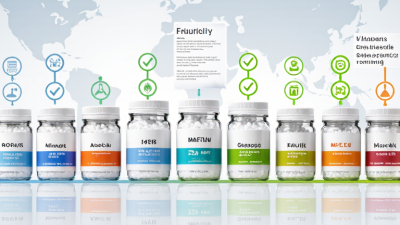
Assess product quality, testing, and traceability with a practical procurement scorecard.
How to use this chart: These are example buyer-set weights, not market statistics or supplier ratings. Review product specifications and lot-specific certificates of analysis; verify test methods and results; and confirm that batch records support traceability from production through shipment.
Compare Production Capacity, Logistics, and Supply Resilience
Choosing a glutamic acid supplier in 2026 requires more than comparing quoted prices. Ask for documented monthly output, typical utilization, and recent on-time delivery figures. A large nameplate capacity can look reassuring, but it may leave little room for maintenance or an unexpected order increase. Request a capacity plan showing routine output, seasonal peaks, and backup production sites. Check whether quality records cover several production lots, not just one polished sample.
Logistics often reveal the real difference. Confirm packaging format, pallet dimensions, and loading limits before estimating freight. A shipment delayed at a port can disrupt a plant’s weekly blending schedule. That matters. Ask how the supplier tracks moisture exposure and damaged bags during transit. These details should appear in written procedures, with a named contact for exceptions. Paperwork alone cannot guarantee smooth delivery.
Supply resilience depends on options, not promises. Discuss raw-material sourcing, inventory policy, alternate routes, and recovery time after equipment failure. Plans can change. Regional stock may shorten replenishment, though it could cost more. Compare lead-time ranges and ask how they were calculated; one average can hide difficult months. A modest trial order can help assess response times, lot consistency, and how quickly discrepancies are explained. No supplier is risk-free, and candid limits are often more useful than confident assurances.
Evaluate Pricing, Contracts, and Technical Support
When comparing glutamic acid suppliers in 2026, ask for a delivered-cost breakdown, not just a price per kilogram. Separate the product price from freight, packaging, duties, and storage charges. The World Bank’s April 2024 Commodity Markets Outlook projected global commodity prices to fall 3% in 2024 and 4% in 2025; that broad trend is not a glutamic acid quote, but it shows why fixed pricing needs clear review dates. Request a formula for adjustments, a minimum-order quantity, and written rules for currency changes. Small print matters.
Contracts should define grade, moisture limits, test methods, shipment windows, and remedies for rejected batches. UNCTAD’s Review of Maritime Transport 2024 reported that container freight rates more than doubled between late 2023 and mid-2024. That volatility makes delivery terms and delay responsibilities worth negotiating. Check whether a quote covers the same Incoterm and packaging format as competing offers. Otherwise, the cheaper offer may not be cheaper at your loading dock.
Technical support is part of the purchase. Ask for a recent certificate of analysis, traceability details, and a named contact for out-of-specification results. For a trial, record how the powder dissolves, flows, and performs in your actual process; lab documents cannot answer every plant-floor question. Agree on response times and sample availability before signing. I would not treat a polished data sheet as proof of reliable support. A missed detail can still cost a production shift.